

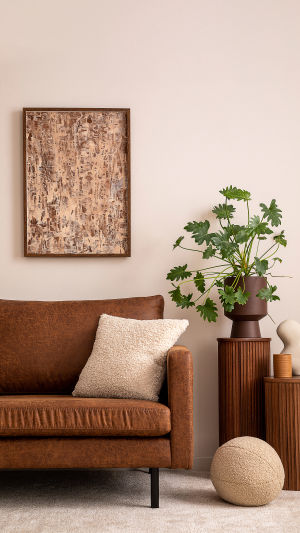
Walking into a room, you might notice a blank wall and feel the urge to add something that immediately catches the eye.
Decorative paintings aren't just wall fillers—they set the mood, reflect personality, and can even make a space feel larger or cozier. But choosing the right piece can be overwhelming with so many colors, styles, and sizes available.
By approaching the process thoughtfully, you can select art that enhances your home rather than overwhelms it.
<h3>Understanding Your Space</h3>
Before picking a painting, take a close look at the room where it will hang. The wall's size, lighting, and existing décor all influence what will work best.
<b>Key considerations:</b>
Wall size and proportion – A large, empty wall can handle a bigger painting or a series of smaller pieces arranged as a gallery. Conversely, a smaller wall or nook benefits from a single, focused piece. For example, a 24 × 36-inch abstract canvas can anchor a living room sofa, while a 12 × 12-inch piece fits perfectly above a nightstand.
Room function – In a bedroom, calming tones like soft blues or muted greens can promote relaxation. In a dining area, vibrant colors or dynamic compositions can stimulate conversation and energy.
Lighting conditions – Natural light changes throughout the day, affecting how colors appear. For rooms with minimal light, avoid paintings with very dark palettes; brighter or reflective elements help keep the artwork from feeling heavy.
<h3>Selecting a Style That Resonates</h3>
The style of a painting communicates as much as the subject itself. From abstract to realism, each style contributes differently to the atmosphere.
<b>How to choose:</b>
Reflect your personality – If you love adventure, consider landscapes or travel-inspired pieces. If you prefer minimalism, geometric shapes or monochromatic abstracts may fit better.
Match or contrast décor – A painting doesn't have to perfectly match furniture but should complement it. For instance, a vibrant abstract over a neutral sofa adds interest, while a soft-toned impressionist piece blends seamlessly with calm interiors.
Consider trends wisely – While trendy pieces can feel fresh, timeless works often age better. A classic botanical print or subtle abstract won't feel dated in a few years.
<h3>Choosing Colors That Enhance the Room</h3>
Color is one of the most powerful tools in selecting a painting, influencing mood, perceived space, and harmony with existing décor.
<b>Tips for color selection:</b>
Pick a dominant color from the room – Draw from the wall paint, upholstery, or rugs. A blue accent in the furniture can be echoed in the painting to create cohesion.
Use contrast strategically – Bright or bold colors can energize a neutral room, while muted tones in a colorful space prevent visual overload.
Consider color psychology – Warm tones like reds and oranges stimulate activity, while cooler tones like blues and greens induce calm. A hallway might benefit from energizing colors, while a reading nook might lean toward soothing shades.
<h3>Size, Placement, and Framing</h3>
Even the perfect painting can look off if it's the wrong size or poorly placed.
<b>Practical guidelines:</b>
Height matters – Aim to hang the painting so its center is at eye level, roughly 57–60 inches from the floor. For group arrangements, balance sizes and spacing evenly.
Proportion with furniture – Artwork above a couch or bed should generally span about two-thirds the width of the furniture piece. A tiny painting over a large sofa can feel lost.
Frames for context – Frames add polish and context. A sleek, black metal frame complements modern interiors, while a wide wooden frame works well in rustic or traditional spaces. In some cases, a frameless canvas may feel more contemporary and minimalist.
<h3>Trusting Your Instincts</h3>
While rules about size, color, and placement are helpful, personal connection is key. A painting that resonates with you will naturally enhance your space more than something selected purely by décor logic.
<b>Actionable approach:</b>
Live with it – Take photos of potential choices in your space before purchasing. This helps you visualize how each piece interacts with lighting and surroundings.
Consider emotional impact – Ask yourself how the piece makes you feel. Does it bring joy, calm, or energy? If yes, it's likely the right choice.
Rotate if needed – If unsure, start with one statement piece and add smaller complementary works over time. Flexibility allows your décor to evolve with your taste.
Choosing a decorative painting is both a creative and practical process. By considering space, style, color, and placement carefully, you can pick pieces that enhance your home's personality and mood. Take time to explore galleries, online collections, or local artists, and trust your instincts about what moves you. Each wall becomes a story, each painting a reflection of who you are, turning your home into a space that feels vibrant, intentional, and uniquely yours.


