

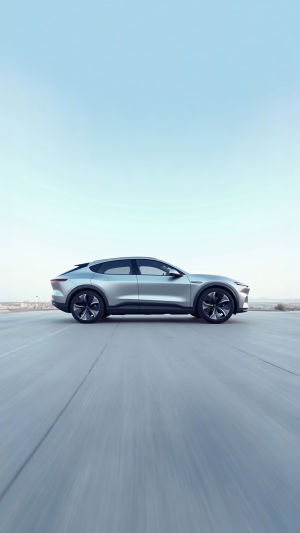
Ever climbed into a car and noticed how the right technology makes everything feel effortless? Modern vehicles are packed with features that go beyond simple transportation.
From keeping you safe to making every drive more convenient, in-car technology has transformed how we experience the road. Let's explore the ten most impactful tech features shaping today's driving experience.
<h3>1. Advanced Driver Assistance Systems (ADAS)</h3>
Safety is at the heart of modern car technology, and ADAS takes it to the next level.
1. Adaptive Cruise Control: Maintains a safe distance from the car ahead automatically. On long highway trips, it reduces fatigue by adjusting speed without constant pedal input.
2. Lane Keep Assist: Alerts drivers or gently corrects steering if the car drifts out of its lane, preventing accidental lane departures.
3. Automatic Emergency Braking: Detects obstacles and applies brakes if the driver fails to respond, helping avoid collisions.
For best use, drivers should familiarize themselves with system settings and understand when manual control is still necessary.
<h3>2. Infotainment Systems</h3>
Modern infotainment isn't just about music—it's a hub for connectivity and navigation.
1. Touchscreen Interfaces: Central displays allow easy access to media, maps, and vehicle settings, often with customizable layouts for quick use.
2. Voice Control: Enables hands-free navigation, music selection, and phone calls, keeping attention on the road.
3. Smartphone Integration: Built-in phone connectivity lets drivers access selected apps for navigation and media more easily.
Tips: Keep software updated to avoid glitches, and set favorite apps before starting long trips for efficiency.
<h3>3. Heads-Up Display (HUD)</h3>
HUDs project key information directly onto the windshield, minimizing distractions.
1. Speed Display: Shows current speed without looking down at the instrument cluster.
2. Navigation Directions: Turn-by-turn guidance appears in your line of sight, reducing reaction time in busy traffic.
3. Warning Indicators: Alerts like collision warnings or lane departure notifications appear instantly, improving safety.
A properly calibrated HUD ensures visibility under different lighting conditions, enhancing both convenience and safety.
<h3>4. Parking Assistance</h3>
Parking can be stressful, but tech makes it much simpler.
1. Rearview Cameras: Provide a clear view behind the vehicle to avoid obstacles and pedestrians.
2. 360-Degree Cameras: Surround-view systems combine multiple cameras, showing the car's position in tight spaces.
3. Automated Parking: Some cars steer automatically into parallel or perpendicular spaces while you control acceleration and braking.
Practical tip: Practice in empty lots to get comfortable with camera perspectives and automated features.
<h3>5. Wireless Charging and USB Ports</h3>
Staying connected is easier with power solutions built into the car.
1. Qi Wireless Charging Pads: Charge compatible smartphones without cables.
2. Multiple USB Ports: Allow passengers to power devices simultaneously, useful on family trips.
3. Fast Charging Support: High-speed USB ports ensure devices charge quickly, even during short drives.
Position devices in designated areas to prevent distractions and ensure efficient charging.
<h3>6. Advanced Climate Control</h3>
Comfort is more than temperature; tech ensures consistent cabin conditions.
1. Dual-Zone or Multi-Zone Control: Allows different passengers to set individual temperatures.
2. Air Quality Sensors: Detect pollutants and activate filters automatically, maintaining clean cabin air.
3. Heated and Ventilated Seats: Customize comfort to climate and personal preference for longer journeys.
Using preset modes for common routes can save adjustments and enhance driving comfort.
<h3>7. Digital Instrument Clusters</h3>
Digital dashboards replace traditional gauges with dynamic displays.
1. Customizable Layouts: Show navigation, media, or performance stats according to driver preference.
2. Real-Time Vehicle Data: Displays fuel efficiency, tire pressure, and maintenance reminders.
3. Enhanced Visibility: High-contrast screens improve readability in various lighting conditions.
Drivers benefit from arranging information hierarchically, keeping essential data front and center.
<h3>8. Advanced Lighting Systems</h3>
Lighting tech improves visibility and safety.
1. Adaptive Headlights: Adjust direction and intensity based on steering and speed, enhancing night visibility.
2. Automatic High Beams: Switch between high and low beams depending on oncoming traffic.
3. LED Daytime Running Lights: Increase vehicle visibility during the day, reducing accident risk.
Routine cleaning and sensor maintenance ensure lighting systems function optimally.
<h3>9. Telematics and Connectivity</h3>
Cars are increasingly connected to the internet and services.
1. Remote Start and Locking: Control vehicle access via smartphone apps.
2. Vehicle Diagnostics: Real-time alerts about engine performance, tire pressure, or maintenance needs.
3. Over-the-Air Updates: Keep software current without visiting a service center.
Leveraging connectivity improves convenience, efficiency, and safety over time.
<h3>10. Driver Monitoring Systems</h3>
Safety isn't just about the car—it's about the driver.
1. Fatigue Detection: Sensors monitor steering patterns and alert drivers to take breaks.
2. Attention Tracking: Detects distraction or drowsiness, prompting corrective action.
3. Adaptive Alerts: Combines data from multiple systems to give timely warnings and prevent accidents.
Integrating these systems into daily driving habits helps reduce risks, especially on long trips.
Modern in-car technology blends safety, convenience, and entertainment, transforming every ride into a smarter, more enjoyable experience. Understanding and using these ten key features ensures drivers get the most out of their vehicles, making every journey safer, easier, and more connected.


