

The car door shuts, and the wind comes at you sideways.
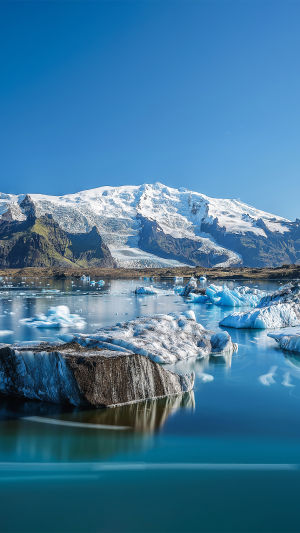
Ahead, blocks of blue ice drift across a gray-blue lagoon, slow and silent. For a moment, no one talks. Even the tour groups lower their voices. It feels less like a tourist stop and more like you've stepped into something ancient. That's Jökulsárlón.
Located along Iceland's Ring Road in the southeast, this glacier lagoon sits at the edge of Vatnajökull, the largest glacier in Iceland. The lagoon began forming in the 1930s as the glacier started retreating. Today, it's widely described as Iceland’s deepest lake, at around 248 meters (about 814 feet), though measurements can vary as the lagoon changes over time. What you're seeing floating in the water are icebergs that have broken off from the glacier tongue and are slowly drifting toward the Atlantic Ocean.
Most people stop here for 20 minutes, take photos, and move on. But if you slow down and plan it right, this can easily become the highlight of your trip.
<h3>Timing Changes Everything</h3>
Jökulsárlón is open year-round, and the lagoon itself has no entrance ticket. However, parking is typically paid around $7–$8 per car/day, so don’t assume the visit is entirely free if you’re driving.
Arrive before 8:30 a.m. or after 6 p.m. in summer. Between 10 a.m. and 4 p.m., large bus tours from Reykjavík often stop here. Early morning gives you softer light and far fewer people along the shoreline.
<b>Choose your season carefully</b>
- May to September: Milder temperatures (40–55°F), long daylight hours, easier driving conditions.
- October to April: Fewer crowds, dramatic winter landscapes, and a chance of seeing northern lights after dark.
Dress for wind, not just temperature.
Even in July, the wind off the glacier can feel freezing. Bring a windproof jacket, gloves, and layers. The cold here is sharp because of exposure, not just low numbers on the forecast.
If photography matters to you, sunrise is ideal. The low light makes the blue tones in the ice glow instead of looking flat.
<h3>Boat Tours: Worth It or Not?</h3>
Standing on the shore is impressive. But getting onto the water changes your sense of scale completely.
You'll see two main options:
Amphibian boat tour – Around $50–$55 per person.
Lasts 30–40 minutes. Larger groups, slower pace. Good if you're on a budget.
Zodiac boat tour – Around $100–$110 per person.
Lasts about 1 hour. Smaller groups and faster boats that get closer to the glacier wall.
If your budget allows, the zodiac tour is the stronger experience. You move between icebergs and feel how massive they really are. Some tours may include holding ice from the lagoon, but this depends on guide conditions and safety, so avoid treating it as guaranteed.
That said, you don't need a tour to appreciate the lagoon. Walking along the shoreline is free, and you'll still see plenty of floating ice.
Book ahead in summer. Tours often sell out by late morning.
<h3>Don't Miss Diamond Beach</h3>
Directly across the road from the lagoon is what many visitors love even more: Diamond Beach.
Icebergs that drift out to sea wash back onto the black volcanic sand. The contrast is dramatic—clear and blue ice sitting on dark sand like scattered glass sculptures.
Plan at least 30–45 minutes here. Go at lower tide if possible, when more ice is visible on the sand. Stay aware of the waves; they can surge unexpectedly and soak your shoes in seconds.
If you only take one set of photos at Jökulsárlón, this is the place.
<h3>Getting There Without Stress</h3>
Jökulsárlón is about 235 miles (380 km) from Reykjavík—roughly a five-hour drive along Route 1, also known as the Ring Road. There's generally no simple regular public bus option used by most travelers for direct drop-off at the lagoon, so most travelers either rent a car or join a guided day tour.
Driving gives you flexibility. You can stop at nearby waterfalls or glacier viewpoints along the way. The parking lot at Jökulsárlón is large and free, and it's right off the highway.
One practical tip: hold your car door firmly when opening it. Strong wind gusts are common here, and rental companies in Iceland charge high repair fees for wind-damaged doors.
If you're staying overnight nearby, consider lodging around Höfn or along the southeastern coast. That way, you can arrive early the next morning before crowds build.
<h3>Where to Stay Nearby</h3>
If you want sunrise or sunset time at the lagoon, it helps to stay nearby rather than drive from Reykjavík the same day. Lodging options near Jökulsárlón and toward Höfn / the southeast coast range from guesthouses to hotels, with prices around $278–$296 /night for some properties, while higher-end or closer options can cost much more.
<h3>Dining Near Jökulsárlón</h3>
Food options at Jökulsárlón are limited but convenient for a short stop. The Café by Jökulsárlón offers sandwiches, hot drinks, and snacks, while nearby hotels and restaurants serve fuller meals. A recent Glacier Lagoon Hotel menu listed starter and soup items at around $21–$25.
<h3>A Simple Plan That Works</h3>
To experience the lagoon without rushing, try this structure:
- Arrive early morning.
- Walk along the lagoon's edge first.
- Take your boat tour mid-morning if booked.
- Cross to Diamond Beach afterward.
- Warm up at the small café near the parking lot before driving on.
Total time: about 2–3 hours. That's enough to absorb the place without freezing or feeling hurried.
What makes Jökulsárlón powerful isn't just the scenery. It's the sense of scale. You're standing beside ice that formed centuries ago, slowly melting and reshaping the landscape in real time. The movement is quiet, steady, and patient.
When you get back into your car and merge onto the Ring Road, something shifts. You notice the sky more. You drive a little slower. The world feels bigger than it did that morning.
If you make the effort to arrive early, dress properly, and stay long enough to watch the ice drift, this won't just be another stop on your itinerary. It'll be a moment that lingers long after the road curves out of sight.


