

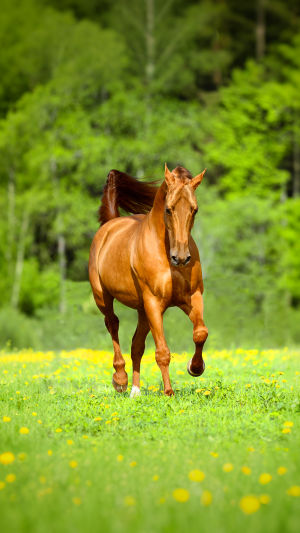
Watching a horse graze quietly in a sunlit paddock is one of those moments that instantly soothes the mind.
But behind that serene image is a routine of care that keeps the horse healthy, energetic, and content.
For beginners, understanding the daily needs of a horse might seem overwhelming, but with the right steps, it can become second nature. Here's a guide to help you build a practical, hands-on approach to horse care.
<h3>Feeding Your Horse Properly</h3>
Feeding is the foundation of your horse's health. Horses are grazing animals, so their diet should mimic natural eating patterns as closely as possible.
<b>- Understand your horse's diet:</b> The bulk of a horse's diet should come from high-quality hay or pasture grass. For example, a 1,000-pound horse typically consumes around 20 pounds of hay per day. This provides the fiber needed for proper digestion.
<b>- Incorporate grains and supplements cautiously:</b> If your horse has higher energy needs, such as for riding or work, you may add oats, barley, or commercially prepared horse feed. Always introduce new grains slowly to avoid digestive upset.
<b>- Provide fresh water and salt:</b> Horses require access to clean water at all times, usually 5–10 gallons per day. Salt blocks or loose salt help maintain electrolyte balance, especially during warmer months or heavy activity.
Actionable tip: Create a feeding schedule that splits hay into 2–3 portions per day. This reduces the risk of colic and keeps your horse content throughout the day.
<h3>Grooming: More Than Just Clean Fur</h3>
Regular grooming strengthens the bond between you and your horse while maintaining its skin and coat health.
<b>- Daily brushing:</b> Use a curry comb to loosen dirt and stimulate natural oils, followed by a stiff brush to remove debris. Focus on areas prone to sweat and dirt, like the neck and flanks.
<b>- Hoof care:</b> Pick out hooves daily to remove stones and debris. Check for cracks, soft spots, or signs of thrush. Healthy hooves are crucial for a horse's overall mobility.
<b>- Bathing and mane care:</b> While not required every day, occasional bathing can help during hot months or after heavy exercise. Comb through the mane and tail gently to prevent breakage.
Actionable tip: Use grooming time to check for cuts, swelling, or unusual behavior. Early detection of minor issues can prevent bigger health problems.
<h3>Establishing a Daily Routine</h3>
Horses thrive on consistency. Establishing a daily routine creates a sense of security and keeps your horse in peak condition.
<b>- Morning check:</b> Start the day by checking water, feeding, and general health. Observe behavior and gait to spot any potential issues early.
<b>- Turnout and exercise:</b> Allow your horse to spend time in a paddock or pasture. Daily turnout promotes mental stimulation, social interaction, and physical health. Riding, lunging, or free movement also strengthens muscles and improves flexibility.
<b>- Evening care:</b> Feed the final portion of hay, refill water, and groom lightly if needed. Ensure stables are clean and bedding is fresh to prevent respiratory or hoof problems.
Actionable tip: Keep a simple log of feeding times, exercise, and health observations. Over a few weeks, patterns become clear, helping you notice any subtle changes in behavior or appetite.
<h3>Preventive Health Checks</h3>
Keeping your horse healthy goes beyond feeding and grooming. Preventive care ensures longevity and quality of life.
<b>- Vaccinations and deworming:</b> Work with a veterinarian to maintain an appropriate schedule. This protects your horse from common diseases and internal parasites.
<b>- Dental care:</b> Horses' teeth grow continuously, and uneven wear can cause discomfort. A dental check once or twice a year prevents issues with chewing and digestion.
<b>- Seasonal adjustments:</b> Modify feeding, turnout, and grooming based on weather. In colder months, add extra hay for warmth and monitor water intake if it risks freezing.
Actionable tip: Set calendar reminders for vet check-ups, farrier visits, and vaccinations. Staying ahead prevents sudden emergencies and keeps your horse in top shape.
<h3>Bonding and Mental Stimulation</h3>
Physical health is important, but so is mental well-being. Horses are social and intelligent animals that thrive on interaction.
<b>- Spend time together:</b> Simple activities like hand-grazing, walking, or grooming sessions build trust.
<b>- Enrichment activities:</b> Provide safe toys, obstacle courses, or varied terrain to explore. This reduces boredom and encourages natural behaviors.
<b>- Social interaction:</b> If possible, allow your horse to interact with other horses. Herd dynamics provide mental stimulation and comfort.
Actionable tip: Rotate enrichment activities weekly. Small changes, like different paddock routes or introducing new toys, keep your horse engaged and curious.
Caring for a horse may seem demanding at first, but once routines are in place, it becomes a rewarding part of life. Observing a healthy, happy horse can be one of the most satisfying experiences for any horse lover. Start small, stay consistent, and enjoy the deep bond that grows alongside proper care. Every brushing, feeding, and daily check is a chance to connect, learn, and ensure your horse thrives.


