

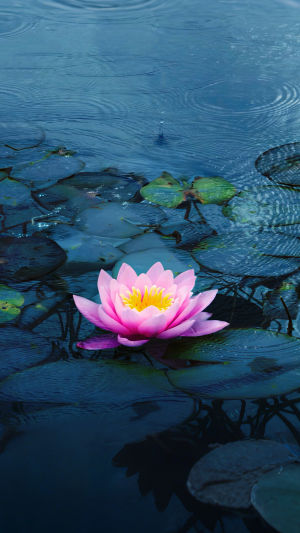
Water lilies floating across a still pond have a magical way of catching the light.
One moment, a bright pink bloom stretches toward the sky; the next, the leaves ripple gently in the breeze. Beyond their obvious beauty, water lilies are fascinating plants with unique growth patterns and care needs.
Whether you're a gardener, a nature lover, or simply curious about how these aquatic plants thrive, understanding them opens up a world of subtle details that make a pond come alive.
<h3>Understanding Water Lily Growth</h3>
Water lilies are aquatic perennials, meaning they come back year after year. They grow from tubers that anchor in the mud beneath ponds or slow-moving water. Their leaves, called lily pads, float on the surface, providing shade and helping regulate water temperature. Their flowers bloom above the surface, creating a striking contrast against the green pads.
<b>Key points about growth:</b>
Each tuber can produce multiple leaves and flowers in a season, depending on sunlight and nutrients.
Water lilies prefer at least six hours of sunlight daily for optimal blooming.
Depth matters: Most species thrive in water 30–60 centimeters deep, but larger varieties may need up to 90 centimeters.
An actionable tip: When planting, ensure your tuber sits slightly angled in the soil basket so the crown is just under water, which encourages strong root growth and abundant leaves.
<h3>Flowering Patterns and Colors</h3>
The colors of water lily flowers are not just for aesthetics—they also indicate the species and their bloom patterns. Flowers can be white, pink, yellow, or even deep red, and they generally open in the morning and close by late afternoon, depending on sunlight.
<b>Observing blooms:</b>
Day-blooming lilies open in sunlight and stay open through midday, perfect for daytime viewing.
Night-blooming varieties remain closed during the day and open in the evening, attracting moths for pollination.
Flower longevity is brief; individual blooms last 3–5 days, but the plant continues to produce new flowers throughout the season.
A practical example: Planting a mix of day and night bloomers in your pond ensures there's always some color visible, morning or evening, enhancing the sense of continuous life.
<h3>Care Essentials for Healthy Lilies</h3>
Maintaining water lilies requires attention to sunlight, water quality, and nutrition. Poor conditions lead to weak leaves and few flowers, while proper care encourages vibrant growth.
<b>Step-by-step care:</b>
Sunlight: Ensure at least six hours per day; shaded ponds may slow growth.
Fertilization: Use slow-release aquatic fertilizer tablets every 4–6 weeks to provide essential nutrients.
Water management: Keep water calm; lilies struggle in strong currents or excessive splashing.
Tip: Regularly trim old or yellowing leaves to prevent decay and maintain clear water. This also allows energy to focus on new growth and flowers.
<h3>Controlling Pests and Diseases</h3>
Water lilies are surprisingly resilient but can attract pests such as aphids, snails, or beetles. Fungal issues may also appear if water stagnates or debris accumulates.
<b>Actionable strategies:</b>
Gently spray leaves with a strong water jet to remove aphids.
Introduce natural predators, like certain fish or dragonfly larvae, to reduce snail populations.
Remove infected leaves promptly to prevent the spread of fungal disease.
Example: A small pond with koi fish often sees reduced pest issues, as the fish feed on harmful insects and larvae, keeping the lily environment balanced.
<h3>Integrating Water Lilies Into Your Garden</h3>
Water lilies can transform an ordinary pond into a centerpiece. Combining them with other aquatic plants, like lotus or marginal plants, adds layers of texture and color.
<b>Design tips:</b>
Position taller plants along the edges to frame the lilies.
Use varying flower colors and leaf shapes for contrast.
Consider floating plants like duckweed to provide shade and reduce algae growth.
Practical example: Creating a small cluster of pink, white, and yellow lilies surrounded by low marginal grasses creates a natural, layered look that encourages wildlife to visit, from dragonflies to frogs.
<h3>Seasonal Considerations</h3>
Water lilies respond strongly to seasonal changes. In spring, they sprout from dormancy; summer is peak bloom, and in autumn, growth slows. In colder climates, tubers should be brought indoors or insulated to survive winter.
<b>Seasonal actions:</b>
In early spring, check tubers for firm texture and healthy shoots before planting.
During peak bloom, remove spent flowers daily to encourage new blooms.
As temperatures drop, trim dying foliage and move tubers to frost-free water or containers.
This routine ensures plants return robustly each year, saving you time and frustration.
Water lilies are more than floating flowers—they are living, evolving art pieces in any pond. Watching them unfold in sunlight, noticing the subtle differences in each bloom, and caring for them through the season connects you to a slower, more attentive rhythm of nature.
Planting them may require patience and care, but the reward is unmistakable: a serene water garden that captivates, soothes, and invites you to pause and enjoy the simple beauty of life on the water.


