

Walking into a tiny apartment often sparks a mix of excitement and anxiety.
The allure of a cozy urban nest meets the challenge of limited floor space—where every square foot counts.
Yet, small doesn't have to mean cramped. With intentional design and thoughtful layout, even the most compact homes can feel inviting, stylish, and functional.
<h3>Maximize Vertical Space</h3>
<b>1. Tall Storage Units</b>
When floor space is limited, the walls become your best ally. Installing tall shelves, cabinets, or open bookcases draws the eye upward, creating the illusion of height while providing ample storage. A living room corner can hold a floor-to-ceiling bookshelf that doubles as a display for décor items, plants, and books. This approach not only organizes belongings efficiently but also adds visual interest.
<b>2. Lofted Beds and Elevated Platforms</b>
For studio apartments or single rooms, lofted beds are a game-changer. Elevating the sleeping area frees up valuable floor space for a desk, sofa, or even a small dining nook beneath. Platforms with built-in drawers or compartments further enhance storage without crowding the room. The combination of elevation and functionality ensures the apartment feels open rather than cluttered.
<b>3. Wall-Mounted Fixtures</b>
Floating shelves, wall-mounted desks, and foldable tables minimize the need for bulky furniture. Even wall-mounted lighting can save space and create an airy atmosphere. By keeping items off the floor, the apartment feels less congested, and cleaning becomes easier.
<h3>Smart Furniture Choices</h3>
<b>1. Multi-Functional Pieces</b>
Every piece of furniture should earn its keep in a small home. Sofas with hidden storage, ottomans that double as seating and storage, or coffee tables with drawers provide flexibility. A fold-out dining table can host dinner parties yet remain unobtrusive most of the time. The key is furniture that adapts to changing needs, allowing the space to feel both open and functional.
<b>2. Modular Seating</b>
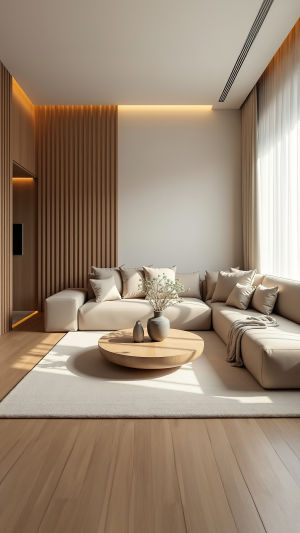
Sectional or modular sofas can be rearranged to fit different layouts, accommodating guests or creating cozy corners. Stackable chairs or nesting tables add versatility without taking permanent space. These pieces make it possible to personalize the layout and transform a single room for multiple uses.
<b>3. Keep furniture visually “light”</b>
Furniture made of glass, acrylic, or light wood gives a sense of openness. Low-profile sofas or beds prevent the room from feeling boxed in, and clear tables or chairs let light pass through, making the area appear larger than it is.
<h3>Enhance Light and Color</h3>
<b>1. Reflective Surfaces</b>
Mirrors strategically placed opposite windows amplify natural light, instantly brightening the room. Glossy tiles, metallic décor, and reflective accents also bounce light throughout the space, reducing shadows and creating depth.
<b>2. Light and Neutral Palettes</b>
Walls, floors, and large furniture pieces in soft neutrals or light pastels expand the visual space. Layering with pops of color through textiles, art, or small accessories adds personality without overwhelming the room. For instance, a pale gray sofa paired with mustard throw pillows and a soft beige rug creates a warm, inviting look while keeping the environment open.
<b>3. Layered Lighting</b>
Combining overhead lights with task lighting and accent lights ensures the apartment feels warm and dynamic. Adjustable lamps near work areas or reading nooks allow specific zones to be illuminated without cluttering the visual field. Proper lighting tricks the eye into perceiving more space than exists.
<h3>Thoughtful Layouts</h3>
<b>1. Open Flow</b>
Avoid crowding rooms with unnecessary partitions. An open layout allows movement and sightlines to stretch farther, making the apartment feel more spacious. Even small apartments can benefit from visual continuity by keeping furniture proportional and leaving pathways clear.
<b>2. Zoning with Rugs and Furniture</b>
Define areas using rugs, lighting, or furniture arrangements instead of walls. A small living room can feel like multiple zones—a reading nook, a seating area, and a workspace—without ever feeling segmented. Rugs create visual boundaries, and a sofa's placement can subtly separate spaces while maintaining flow.
<b>3. Decluttering and Mindful Storage</b>
Minimalism isn't about removing personality; it's about curating it. Keeping surfaces clear, storing infrequently used items, and embracing vertical storage ensures each area is functional and aesthetically pleasing. A tidy environment maximizes comfort and gives the impression of more space.
Small spaces are often seen as limitations, but with intentional design choices, they can become intimate, functional, and stylish homes. Every shelf, sofa, and lamp has a purpose, contributing to a sense of calm and openness. By thinking vertically, selecting multi-functional furniture, leveraging light and color, and planning layouts with care, even the coziest apartments can feel expansive. Sometimes, it's not the size of the space but the thoughtfulness of its design that makes a home truly inviting.


