

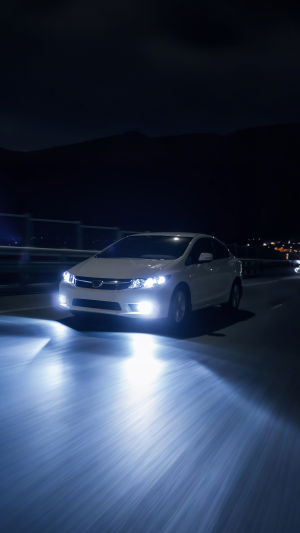
Car modification competitions are all about pushing boundaries. From performance upgrades to visual enhancements, enthusiasts are constantly looking for new ways to stand out.
One of the most impactful areas of innovation in these competitions is car lighting design.
While traditional headlights and tail lights served a purely functional role, today's modified car lights are more than just a way to see and be seen—they are a way to make a bold statement. Whether it's through LED strips, custom housing, or synchronized light shows, lighting is now a key element of automotive design.
<h3>The Rise of LED and OLED Technology</h3>
The evolution of LED and OLED technology has revolutionized the way car lights are designed. LED lights, known for their brightness, energy efficiency, and long lifespan, have become the go-to choice in the automotive world. They allow for intricate designs that were not possible with traditional bulbs. For example, LED headlights can feature customizable colors, adaptive light angles, and even a futuristic “matrix” pattern that adjusts based on driving conditions.
<b>Example:</b>
Consider the "angel eyes" that BMW cars have popularized in their design. These unique, circular LED rings not only enhance the vehicle's aesthetic appeal but also serve a functional purpose, providing extra illumination around the car.
OLED (Organic Light Emitting Diode) is the next big thing, offering even more flexibility. OLED lights are thinner, provide more uniform lighting, and can be curved or shaped into almost any form. This makes them ideal for creating a seamless, futuristic look on modified cars.
<h3>Custom Housing and Projector Lights</h3>
While the bulbs themselves have become more advanced, the housing and design around the lights are just as important. Custom headlight and tail light housing can transform a car's look entirely. The materials used, the size and shape of the lights, and how they are integrated into the vehicle's design all contribute to the overall aesthetic. For instance, retrofitting vintage car models with modern LED projectors can dramatically improve both the look and the functionality of the lights.
<b>Example:</b>
One popular trend in car modification competitions is the use of projector headlights. These lights focus the beam of light in specific patterns, allowing for more precise illumination. Some custom designs even incorporate moving projectors that shift based on the car's speed or steering angle, adding a layer of dynamic interaction between the driver and the car's lighting system.
<h3>Lighting for Performance and Safety</h3>
Car lighting isn't just about looks; it's about improving performance and safety on the road. Custom lighting setups can enhance a car's visibility in a variety of ways, especially in dimly lit or challenging driving conditions. Many modification enthusiasts install custom fog lights, underglow lights, or light strips that illuminate the ground beneath the car for added safety, making it easier to navigate tight spaces or off-road environments.
<b>Example:</b>
Some off-road vehicles in competitions feature underglow lighting that not only gives the car a glowing look at night but also helps illuminate the trail ahead. These custom underbody lights are waterproof, durable, and often programmable, allowing users to adjust brightness and color depending on the driving conditions.
Additionally, light bars mounted on the front of trucks and SUVs are often used to improve nighttime visibility, especially in off-road or adventure settings.
<h3>Synchronized Light Shows: The Art of Performance Lighting</h3>
In the world of competitive car modification, lighting design often becomes a performance art. Synchronized light shows are a common feature, where lights are programmed to change colors, flash, or pulse to the beat of music. These dazzling displays can be synchronized with the car's interior or even with other cars during car meetups and events. The use of app-controlled lighting systems is another major advancement, allowing enthusiasts to manipulate the lights from their phone or tablet.
<b>Example:</b>
At major car shows and competitions, cars equipped with RGB LED systems perform choreographed light shows that captivate audiences. By using specific software, car owners can program their lights to follow certain patterns, making their cars appear to "dance" in time with the music. This level of customization and creativity has opened up new possibilities for automotive lighting design.
<h3>Future Trends in Car Lighting</h3>
Looking to the future, car lighting design is expected to become even more integrated with the vehicle's overall tech ecosystem. With advances in autonomous driving, cars might use more sophisticated lighting systems that communicate with other vehicles on the road, enhancing safety through light-based signals.
For example, vehicles could use light patterns to communicate intentions such as turning or lane changes, helping to create a more intuitive and safe driving experience.
<b>Example:</b>
Companies like Audi and Mercedes-Benz have been exploring the use of light signals as part of their advanced driver assistance systems (ADAS). This technology allows vehicles to communicate more effectively with each other, using headlights and tail lights as dynamic indicators of the vehicle's movement.
<h3>The Creative Freedom of Car Lighting Design</h3>
Car lighting design in modification competitions is not just a trend; it's an art form. From enhancing visibility and safety to creating mesmerizing light shows, lighting allows car enthusiasts to make bold statements about their vehicles. As technology continues to evolve, the possibilities for creative and functional lighting will expand, giving car owners even more ways to express their personal style.
Whether it's through a dramatic LED light display or cutting-edge projector systems, lighting remains one of the most exciting areas of car modification, where innovation never stops.


