

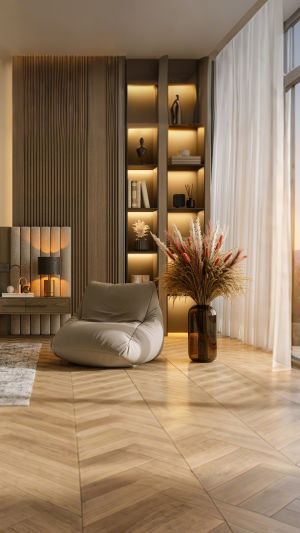
The moment you step into your bedroom at night, your body begins to respond. If the lighting is harsh, your mind stays alert.
If the colors feel loud or the layout cluttered, it becomes harder to unwind. A bedroom is more than a place to sleep; it is an environment that signals safety, calm, and restoration. Thoughtful interior design can quietly improve sleep quality and emotional comfort without requiring dramatic renovation.
Creating a calm and restful bedroom depends on four core elements: color palette, lighting design, furniture layout, and fabric selection. When these work together, the room becomes a supportive backdrop for genuine rest.
<h3>The Power of Color</h3>
<b>1. Soft, Muted Palettes</b>
Colors influence mood through visual perception. Soft neutrals such as warm beige, gentle gray, muted sage, or dusty blue create a low-stimulation environment. These shades reflect light gently and reduce visual tension. Highly saturated colors, especially bright red or intense orange, tend to energize rather than relax, making them less suitable for large surfaces like walls.
<b>2. Consistent Undertones</b>
Mixing warm and cool undertones can create subtle disharmony. For example, pairing a cool blue wall with a strongly yellow-toned wood floor may feel visually unsettled. Choosing a consistent undertone across walls, furniture, and textiles creates cohesion and a smoother visual experience.
<b>3. Limiting Visual Noise</b>
Patterns and bold contrasts can be stimulating. Incorporating one or two subtle patterns—perhaps in bedding or a rug—keeps the space interesting without overwhelming the senses. A restrained color story encourages mental calm at the end of the day.
<h3>Lighting That Supports Rest</h3>
<b>1. Layered Lighting Design</b>
A single ceiling light rarely creates a relaxing atmosphere. Layered lighting includes ambient light (general room lighting), task lighting (bedside lamps), and accent lighting (soft wall lights or hidden LED strips). This approach allows flexibility depending on time of day and activity.
<b>2. Warm Light Temperature</b>
Light temperature significantly affects circadian rhythm. Bulbs in the range of 2700K to 3000K emit a warm glow that signals the body to prepare for sleep. Cooler white light, often above 4000K, is better suited for workspaces rather than bedrooms.
<b>3. Dimmable Controls</b>
Installing dimmers gives control over brightness levels. Lowering light intensity in the evening helps transition the body toward rest. Even bedside lamps with adjustable brightness can make a noticeable difference in nighttime relaxation.
<h3>Furniture Layout and Spatial Flow</h3>
<b>1. Clear Pathways</b>
A bedroom should allow easy movement around the bed without obstacles. Clear walking space on both sides of the bed reduces a feeling of confinement and improves daily comfort. Cluttered pathways can subconsciously increase stress.
<b>2. Balanced Bed Placement</b>
Positioning the bed against a solid wall and allowing visibility of the door—without being directly aligned with it—creates a sense of security. This arrangement supports psychological comfort, especially in smaller rooms.
<b>3. Minimal Essential Furniture</b>
Overcrowding with excessive furniture disrupts visual harmony. Including only necessary pieces—bed, nightstands, dresser, perhaps a small chair—keeps the space open. Storage solutions such as under-bed drawers help maintain order without adding bulk.
<h3>Fabric and Texture for Comfort</h3>
<b>1. Breathable Bedding Materials</b>
Natural fabrics like cotton and linen allow airflow and regulate temperature. Breathable materials prevent overheating and contribute to more consistent sleep. Texture also matters; soft, smooth surfaces enhance tactile comfort.
<b>2. Layered Textiles</b>
Layering sheets, a light blanket, and a comforter adds both visual depth and functional flexibility. Being able to adjust layers during the night improves temperature control without disrupting sleep.
<b>3. Softening the Acoustics</b>
Curtains, rugs, and upholstered headboards absorb sound and reduce echo. A quieter room feels calmer. Heavy blackout curtains also block external light, supporting deeper rest in urban environments.
A restful bedroom is rarely the result of one dramatic design decision. It is built through careful alignment of subtle choices—muted colors, warm lighting, thoughtful layout, and comforting textures. When these elements work together, the room shifts from being simply a sleeping space to becoming a restorative retreat.
If your bedroom feels unsettled or overstimulating, small adjustments can create meaningful change. Replace harsh bulbs, simplify the color palette, clear unnecessary furniture, or upgrade bedding. Over time, these quiet improvements can transform not only the room, but the quality of rest you experience each night.


