

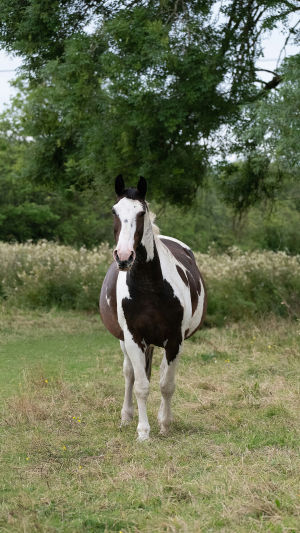
Horses have a special way of noticing the little things we might overlook: a neglected coat, dry hooves, or an untidy stall can affect their mood and health.
Observing your horse daily isn't just about routine; it's a chance to build trust and deepen your bond.
Understanding proper care helps ensure your horse stays strong, happy, and responsive, whether in the paddock or during rides.
<h3>Feeding & Nutrition</h3>
<b>Balanced Diet</b>
A well-rounded diet is essential. Horses thrive on high-quality hay, fresh forage, and grains suited to their energy needs. Younger or highly active horses may require extra supplements, but always tailor portions based on activity and body condition. Avoid sudden diet changes to prevent digestive upset.
<b>Fresh Water</b>
Horses need continuous access to clean water. An average mature horse drinks 25–35 liters daily, but activity and temperature affect this. Use automatic waterers or check buckets multiple times a day to maintain hydration.
<b>Healthy Treats</b>
Offer occasional treats like apple slices or carrot sticks as rewards during grooming or training. Avoid sugary processed snacks that can harm digestion.
<h3>Grooming & Coat Care</h3>
<b>Daily Brushing</b>
Regular brushing removes dirt, dust, and loose hair. Start with a curry comb to loosen dirt, then use a stiff brush to clean the coat. Pay attention to sensitive areas like the face and legs.
<b>Mane & Tail Maintenance</b>
Gently detangle the mane and tail to prevent knots. Use a wide-tooth comb or fingers to avoid hair breakage, and consider braiding long manes for protection during turnout.
<b>Bathing & Skin Health</b>
Bath only when necessary using equine-friendly shampoo. Frequent bathing can remove natural oils, so focus on spot-cleaning and maintaining skin condition with regular brushing.
<h3>Hoof Care</h3>
<b>Daily Checks</b>
Inspect hooves every day for cracks, stones, or signs of thrush. A hoof pick is essential to remove debris safely.
<b>Regular Farrier Visits</b>
Schedule professional hoof trimming every 6–8 weeks. Proper trimming prevents lameness and maintains overall mobility.
<b>Protective Measures</b>
Consider horseshoes for horses that work on hard or rocky surfaces. Ensure shoes are fitted by a certified farrier and check regularly for loose nails or wear.
<h3>Stall & Living Environment</h3>
<b>Cleanliness</b>
Remove soiled bedding daily and replace it with fresh material. This reduces ammonia buildup, prevents respiratory issues, and keeps horses comfortable.
<b>Ventilation & Safety</b>
Ensure the stall has good airflow but is free from drafts. Remove hazards such as protruding nails, slippery surfaces, or loose boards that could cause injury.
<b>Enrichment</b>
Provide toys, mirrors, or safe objects to stimulate mental engagement, especially for horses that spend long hours indoors.
<h3>Daily Observation</h3>
<b>Monitor Behavior</b>
Changes in appetite, movement, or attitude can indicate health issues. Early recognition allows for timely care or veterinary consultation.
<b>Bonding Opportunities</b>
Daily care routines—feeding, grooming, and walking—offer moments to strengthen your connection. Calm, consistent interactions make horses more responsive and confident.
<b>Record Keeping</b>
Maintain logs of feeding, exercise, health checks, and farrier visits. Over time, patterns become evident and assist in proactive care.
Caring for a horse is a rewarding commitment that goes beyond feeding and grooming. Each daily habit nurtures health, strengthens your bond, and ensures your horse thrives in both body and spirit. Take the time to observe, respond, and enjoy these moments—your horse notices every kind gesture and consistent care, building a relationship that is truly mutual.


