
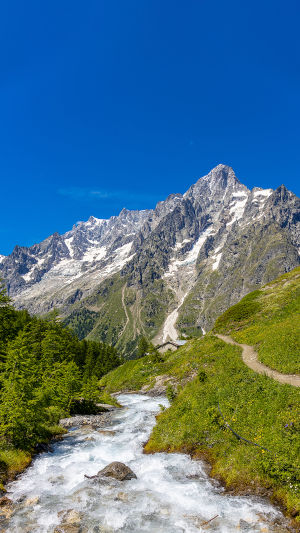
If you've ever dreamt of embarking on a classic alpine journey surrounded by towering peaks, lush valleys, and cosy mountain huts, then Tour du Mont Blanc (TMB) should be on your bucket list!
This isn't just a hike — it's one of Europe's most iconic long distance treks, circling the Mont Blanc massif through France, Italy and Switzerland.
Over roughly 170 km of trail, you'll experience panoramic vistas, charming alpine villages, and the heart and soul culture of three countries on foot. Whether you're self guided with a map or enjoy hut to hut adventures, the scenery and camaraderie make this trek something you'll never forget.
Many hikers choose to complete the entire circuit over 9–14 days, pacing themselves according to fitness and how much time they want for detours, photography, and rest.
Tour du Mont Blanc
<h3>Weather & Best Time to Visit</h3>
<b>Spring (Mar–May)</b>
Snow often lingers high on the passes and many huts and services won't be open yet. Trails can still be icy and tricky.
Not recommended for the full trek unless you have winter mountaineering skills.
<b>Summer (Jun–Aug)</b>
Classic hiking season, with most snow melted from high passes by July. Long daylight, colourful alpine flowers and open huts.
Peak season (Jul Aug) brings warm days and busier trails — book huts early!
<b>Autumn (Sep–Oct)</b>
Cooler weather and fewer people make early autumn lovely, but many huts start closing in mid September.
Early autumn offers crisp air and fall colours.
<b>Winter (Nov–Feb)</b>
Winter conditions dominate with snow, limited services, and routes often unsafe without advanced alpine skills.
Best overall: July through early September gives the most reliable trail conditions, full accommodation services and comfortable weather for hiking.
<h3>Airport Transportation</h3>
<b>Major Airports:</b>
• Geneva Airport (GVA) — popular gateway with frequent international flights.
• Turin Airport (TRN) — closer for Italian side access.
• Chambéry Airport (CMF) — smaller regional airport in France.
<b>Transport Options:</b>
• Train: From Geneva, regular trains to Chamonix Mont Blanc (2–3 h) or Martigny (Switzerland) for onward connections to TMB start points.
• Shuttle/Bus: Shuttle companies link Geneva and other regional airports with Chamonix, Courmayeur and other TMB hubs. Expect ~1.5–3 h.
• Car Rental: Flexible but mountain roads require care, especially with luggage and hiking gear.
Tips: If you plan to begin in Les Houches near Chamonix (a common TMB start point), shuttle or train connections from Geneva make the logistics easiest for hikers.
<h3>City Transportation</h3>
<b>Bus/Public Transit:</b>
Regional buses serve Chamonix, Les Houches, Courmayeur, and other TMB access points. Tickets are modest and scheduled to suit train arrivals.
Useful for short transfers to trailheads.
<b>Train:</b>
Trains connect Geneva to French and Swiss regional networks, linking major towns along the TMB route (Chamonix → Martigny → Switzerland/Italy).
Trains are comfortable for multi country travel between villages.
<b>Tips:</b>
Combined train + bus tickets often save money and reduce parking hassle.
Book buses in peak summer, as seats fill up on busy transfer days.
<h3>Attractions & Suggested Itinerary</h3>
<b>1. Les Houches & Chamonix Valley</b>
Start your trek in Les Houches or Chamonix, where services, gear shops and accommodation are abundant and final preparations can be done. Local buses and trains connect both town hubs.
<b>2. Col de la Seigne</b>
This high pass between France and Italy offers sweeping views of southern Mont Blanc faces and ushers you into Val Veny on the Italian side — a stunning early TMB highlight. Accessible via the trail; no additional fee.
<b>3. Courmayeur Alpine Town</b>
A lovely Italian alpine base mid trek for rest, food and supplies. Transport: regional buses from higher trail sections descend here. Enjoy hearty mountain cuisine and relax before heading into Switzerland.
<b>4. Grand Col Ferret (Swiss Border)</b>
Cross into Switzerland at one of the trek's highest passes. Hikers take in panoramic mountain panoramas. Weather can change fast; morning starts are best.
<b>5. Champex Lac & Swiss Valleys</b>
Champex Lac is a peaceful alpine lake town and great point for non trekkers to meet hikers. Buses and trains access this stop.
<h3>Accommodation Recommendations</h3>
<b>Chamonix / Les Houches:</b>
• Mid range hotels and guesthouses offer rooms from roughly €90–€180/night pre trek.
Mountain Huts (Refuges) Along TMB:
• Rustic dorms or private rooms from ~€40–€120/night depending on season and reservation. Many huts include evening meal & breakfast (half board). Booking early is essential in July–August, especially for private rooms like Elisabetta Hut at high elevation.
<b>Courmayeur:</b>
• Alpine hotels from ~€100–€200/night — a good mid TMB base for rest days.
<b>Champex Lac:</b>
• Lakeside lodges and B&Bs ~CHF 100–CHF 200/night.
Tips: Book huts independent of tours if you want flexibility, and carry cash as some refuges prefer it for payment.
<h3>Dining Recommendations</h3>
<b>Le Comptoir des Alpes</b>
A refined yet welcoming restaurant in the heart of Chamonix, ideal for a celebratory meal before or after the trek. The menu focuses on modern Alpine cuisine made with seasonal ingredients. Expect dishes such as slow-cooked meats, fresh mountain herbs, and regional cheeses. Dinner typically costs €30–€50 per person, making it a great mid-range option for hikers seeking a memorable meal.
<b>Casa Nonna</b>
For Italian comfort food before heading into the Alps, Casa Nonna offers handmade pasta, wood-fired pizzas, and hearty dishes perfect for refueling after a long hike. The relaxed atmosphere and generous portions make it popular among trekkers finishing the Tour du Mont Blanc. Typical meals cost around €20–€35 per person.
<h3>Budget & Costs</h3>
Flights: Major European gateways (Geneva/Turin) typically €100–€350 return from within Europe; more from intercontinental origins.
Accommodation: Huts €40–€120/night; hotels around €90–€200/night.
Transport: Airport shuttle ~€30–€70 one way; regional buses/trains €10–€40 per segment.
Meals: Mountain hut dinners often included; lunches/snacks ~€8–€20; town meals ~€20–€40.
Attractions & Trails: The Tour du Mont Blanc route itself is free to hike, though hut stays and transfers incur costs.
Tips to Save: Mix camping and huts to lower lodging costs; reserve early for summer to lock rates.
<h3>Summary & Tips</h3>
Hiking the Tour du Mont Blanc is one of Europe's most rewarding outdoor adventures. Walking through France, Italy and Switzerland on a single trek makes every day feel like a postcard — alpine passes, wildflower meadows, glacial views and welcoming refuges. Trail logistics are straightforward with good planning: travel via Geneva or regional airports, use buses/trains to reach trailheads, and book your shelters early. Summer is the sweet spot for weather and services, though it's busy — early spring/late autumn offer quieter trails but limited hut availability.
Be prepared for long hiking days and quickly changing weather — layers, sturdy boots and a light backpack make all the difference. And once you're on that trail, don't forget to pause for the views — this circuit is about the journey as much as the destination.
Adventure, mountain magic and lifelong memories are waiting — lace up those boots and let the Mont Blanc massif captivate you!


