

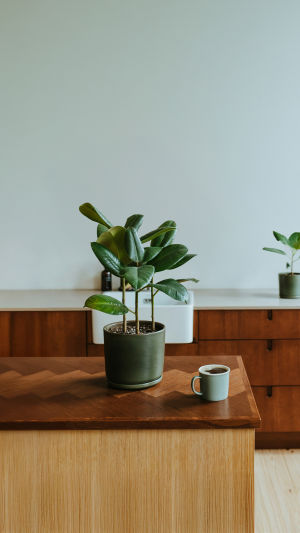
Plants often enter a space because they look right for a room. Shape, color, and trends often lead the decision, with care needs following later, sometimes as an afterthought. This guide is for Lykkers who enjoy plants not only as decor but as living companions.
When care is shaped by looks alone, even resilient greenery can struggle. By shifting attention from appearance to daily routines, it becomes easier to build plant care habits that feel natural and rewarding rather than frustrating.
<h3>When Style Leads the Way</h3>
It is easy to fall for dramatic leaves or sculptural forms. You might see a photo, imagine it in a corner, and picture instant harmony. This moment of inspiration is powerful. Yet plants do not experience rooms the way people do. Light, airflow, and moisture patterns matter more than visual balance.
<b>The Light Illusion</b>
A bright room does not always mean usable light. You might place a plant to complete the look of a shelf or window frame, but the light angle may be too weak or too intense. Direct rays can overwhelm delicate leaves, while shaded corners can slowly drain energy from sun-loving varieties. When light is chosen for symmetry instead of suitability, growth often becomes uneven. Leaves lean, colors fade, and the plant emits subtle signals of stress. By observing how light moves across the room during the day, you can match plants to locations that support steady growth while still pleasing the eye.
<b>Water as Decoration Damage</b>
Decor-driven care often leads to routine watering schedules that ignore real needs. A stylish container without drainage may look clean and modern, but it can trap moisture. Roots prefer balance rather than constant dampness. When water care follows a calendar instead of touch and observation, problems build slowly. Leaves may droop or yellow, and growth slows. By checking moisture with fingers and observing how quickly soil dries in a specific spot, care becomes responsive rather than decorative.
<b>Air and Space Matter</b>
Crowding plants together for a lush display can limit airflow. While the grouping looks abundant, stagnant air increases stress. Leaves need room to breathe and move. When spacing is adjusted with plant comfort in mind, growth becomes fuller and more resilient. Visual harmony can still exist, but it grows from health rather than arrangement alone.
<h3>Designing Care First</h3>
When care leads design, the experience changes. Instead of forcing a plant to fit a vision, you allow its habits to shape the space. This approach feels calmer and often requires less effort over time.
<b>Reading Plant Signals</b>
Plants communicate through posture, color, and pace. Upright leaves suggest comfort. Slow growth can signal unmet needs. When you pause to notice these signs, decisions become clearer. Moving a plant closer to light or adjusting water timing often solves issues before they grow larger. This attention builds confidence and a sense of connection.
<b>Choosing Containers with Purpose</b>
A container supports both health and style. Drainage, size, and material influence how roots behave. A well-chosen container can still match a room while supporting airflow and moisture balance. When containers serve the plant first, styling choices become easier rather than limiting.
<b>Letting Plants Set the Mood</b>
Instead of using plants to complete a look, allow them to guide the atmosphere. A trailing plant may invite placement near light where it can extend freely. A compact grower may suit a desk with moderate brightness. When plants thrive, the space feels alive and balanced without forced decoration.
This care-first mindset also reduces frustration. Rather than wondering why a plant struggles, you already know its preferences. That understanding turns maintenance into a gentle routine rather than a chore.
Matching plant care to aesthetics alone often leads to quiet disappointment. Plants respond to light, water, and space, not trends. When appearance drives placement and routine, even beautiful choices can fade. By shifting focus toward care needs first, you create environments where plants settle in naturally. The result is steady growth, confident leaves, and spaces that feel genuinely alive. For Lykkers, the most satisfying plant moments come when beauty follows well-being, not the other way around.


