

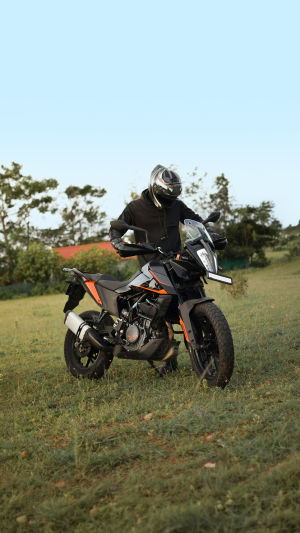
You're cruising along a scenic road, and your bike hums silently through the first stretch, then roars as you hit the open highway.
This seamless transition is the hallmark of hybrid motorcycles, blending electric motors with traditional fuel engines.
For riders, it's not just about efficiency—it's about flexibility, power, and adapting to different terrains without compromise.
<h3>What Makes a Hybrid Motorcycle Unique</h3>
Hybrid motorcycles combine two propulsion systems: electric and gasoline. Each has its own strengths, and together they offer a balanced riding experience.
<b>1. Electric motor for low speeds:</b> The electric motor provides smooth, silent acceleration, perfect for city streets, reducing noise and emissions. A commuter in a busy downtown area can glide through traffic quietly and efficiently.
<b>2. Gas engine for long distances:</b> The fuel engine takes over for highways or extended rides where battery range may fall short. For example, a rider traveling over 150 km outside the city can rely on the gas engine while preserving battery power for urban streets.
<b>3. Intelligent power management:</b> Modern hybrids automatically switch between electric and gas power or use both together for maximum efficiency. Riders can focus on the ride while the bike optimizes performance and energy consumption.
This dual setup gives hybrid motorcycles an advantage in convenience and versatility, making them attractive for riders seeking the best of both worlds.
<h3>Efficiency and Environmental Impact</h3>
Hybrid motorcycles aim to reduce fuel consumption while maintaining performance.
<b>1. Lower emissions in urban areas:</b> Electric mode reduces tailpipe emissions, especially in stop-and-go traffic. Commuters who ride 20 km daily in the city could reduce fuel use by up to 50% compared to standard gasoline bikes.
<b>2. Reduced fuel stops:</b> Combining electric assistance with a fuel engine extends overall range, meaning fewer stops at gas stations. For example, a touring rider covering 300 km can rely on hybrid power to reduce downtime.
<b>3. Energy recovery:</b> Some hybrids use regenerative braking to recharge the battery during deceleration, improving efficiency. This system captures energy that would otherwise be lost, extending the electric-only range.
Hybrid motorcycles offer tangible environmental benefits while saving fuel, without sacrificing riding pleasure.
<h3>Performance Advantages</h3>
Hybrid designs often enhance handling and acceleration compared to conventional motorcycles.
<b>1. Instant torque from the electric motor:</b> Electric propulsion delivers immediate torque, giving riders quick takeoffs from traffic lights or tricky corners. City riders notice smoother starts and fewer gear shifts.
<b>2. Combined power for overtaking:</b> When extra acceleration is needed, hybrid systems can blend electric and gas output. On a winding road, a rider can overtake safely without revving the engine excessively.
<b>3. Adjustable riding modes:</b> Many hybrids let riders select modes, like pure electric, fuel-only, or combined. A delivery rider may use electric mode for quiet residential streets, then switch to combined mode on busier avenues for efficiency.
This flexibility improves safety, comfort, and confidence across different riding scenarios.
<h3>Charging and Fuel Considerations</h3>
Operating a hybrid motorcycle requires understanding both power sources.
<b>1. Home charging:</b> Riders can plug in overnight to top up the battery, reducing fuel consumption during short trips. A 3–5 kWh battery may take 2–4 hours to fully charge, enough for daily commuting needs.
<b>2. Gas refueling:</b> For longer trips, the fuel engine ensures riders aren't limited by battery range. Planning routes around gas stations remains essential for trips over 150 km.
<b>3. Efficient energy management:</b> Riders can monitor battery level, fuel status, and energy flow through onboard displays. This allows for maximizing efficiency by combining smart charging with fuel use.
Understanding these details ensures riders get the full benefit of hybrid technology without surprises.
<h3>Market Trends and Rider Adoption</h3>
Hybrid motorcycles are growing in popularity as manufacturers refine designs and technology improves.
<b>1. Expanding model selection:</b> From urban scooters to sport-touring bikes, hybrids are available in diverse categories. Riders can choose a model that matches commuting needs, performance desires, and style preferences.
<b>2. Technological innovation:</b> Improvements in battery capacity, electric motor efficiency, and lightweight construction make hybrids more practical and fun. Riders enjoy longer electric range and smoother integration with the fuel engine.
<b>3. Rider appeal:</b> Hybrid motorcycles attract both eco-conscious urban riders and adventure riders seeking extended range. Commuters can cut emissions in city traffic, while weekend riders enjoy uninterrupted trips across varied terrain.
Hybrid motorcycles bridge the gap between electric and traditional riding, offering versatility, efficiency, and performance. By combining the best of both worlds, these bikes redefine modern motorcycling—quiet, clean starts in the city, robust power on open roads, and the freedom to ride without compromise.


