

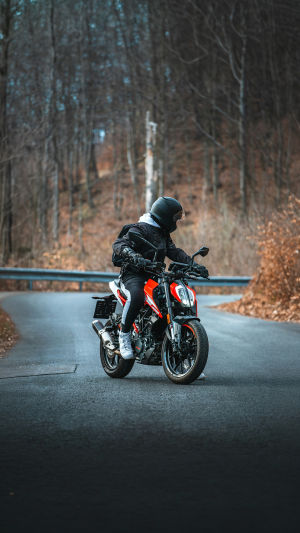
You've probably seen riders wearing gear that either looks oversized on them or feels like a second skin that's too tight.
Choosing the right motorcycle clothing isn’t just about style—it’s about comfort, safety, and confidence on the road.
The trick? Matching your gear to your body type so it moves with you, rather than against you.
<h3>Understanding Your Body Shape</h3>
Before diving into jackets or pants, understand your body shape. Riders come in all forms, and gear isn't one-size-fits-all. The main categories are:
<b>1. Lean or athletic build:</b> Narrow shoulders, slim waist, and longer limbs. Jackets with adjustable side panels or stretch materials work best, allowing you to bend and twist without pulling at seams. Pants should have articulated knees for comfort when leaning into corners.
<b>2. Stocky or muscular build:</b> Broad shoulders and chest, sometimes with a shorter torso. Look for gear with stretch inserts and extra room across the chest and arms. Avoid gear that cinches at the waist, which can restrict breathing. Pants with elastic waistbands or adjustable tabs help maintain comfort without bunching.
<b>3. Curvy or rounded build:</b> Wider hips or fuller midsection. Jackets with adjustable belts or tapered designs prevent excess material from flapping in the wind. High-rise pants can offer better coverage and reduce pressure on the stomach while seated.
Knowing your shape guides you toward gear that fits the contours of your body, minimizing fatigue and maximizing protection.
<h3>Prioritize Safety Without Sacrificing Comfort</h3>
Safety is non-negotiable in motorcycle clothing. Body shape affects how protective gear sits, which impacts effectiveness.
<b>1. Protective padding placement:</b> Elbow, shoulder, and knee padding should align with your joints, not float above or squeeze. Move your arms and legs while wearing the gear; if the padding shifts, it won’t protect during a crash.
<b>2. Layering:</b> Riders with larger torsos may need a lightweight base layer to reduce chafing under a snug jacket. Leaner riders might prefer thin liners to prevent a jacket from feeling baggy.
<b>3. Ventilation:</b> Gear that fits too tightly restricts airflow, causing sweat buildup. Properly fitted vents allow cool air in while keeping protective padding secure.
A stocky rider might choose a jacket with zip-out vents and stretch panels along the sides, maintaining comfort on long rides without sacrificing protection at critical points.
<h3>Choosing the Right Jacket</h3>
Jackets are the centerpiece of motorcycle gear, and fit is everything.
<b>1. Sleeves and shoulders:</b> Jackets should follow your shoulder line. Sleeves should end at your wrist when arms are slightly bent; too long or too short reduces comfort and protection.
<b>2. Waist adjustment:</b> Many jackets offer side straps or belts. Curvy riders benefit from cinched waists, while lean riders may prefer a straighter cut.
<b>3. Material choice:</b> Leather is durable, but textile jackets with stretch panels or mesh options adapt better to different body shapes. For example, an athletic rider might pick a mesh textile jacket with adjustable panels to reduce flapping at high speeds.
<h3>Selecting Pants That Work With Your Build</h3>
Pants require the same careful consideration. Comfort affects bike control and reaction speed.
<b>1. Waist fit:</b> Too tight causes pinching on long rides; too loose and protective padding can shift. Adjustable tabs or elastic waistbands allow precise fit.
<b>2. Knee and hip alignment:</b> Pants should bend with your legs. Riders with longer thighs should check for articulated knees, while riders with wider hips may need gusseted panels to prevent chafing.
<b>3. Material flexibility:</b> Textile pants with stretch panels in key areas are versatile for different body types. Leather pants work if cut correctly; always test bending, twisting, and sitting on your bike during fitting.
<h3>Accessories That Make a Difference</h3>
Gloves, boots, and helmets may seem less influenced by body shape, but they affect overall fit and safety.
<b>1. Gloves:</b> Riders with longer fingers need stretch or custom-fit options. Shorter fingers may require compact models to avoid excess material under padding.
<b>2. Boots:</b> Taller calves may need adjustable shafts, while lean calves benefit from stretch panels or zippered designs. Proper fit ensures foot mobility and safe control operation.
<b>3. Helmets:</b> Shape matters more than size. Oval, round, or intermediate shapes affect comfort during long rides. Test multiple models to ensure no pressure on temples or jaw, which can distract you.
<h3>Test and Adjust Before Hitting the Road</h3>
Fit isn’t static. Your body moves, gear stretches, and comfort changes over time. Always test your full setup before long rides.
<b>1. Simulate riding positions:</b> Sit on your bike in full gear. Move your arms, legs, and torso. Check for restricted motion or rubbing points.
<b>2. Make small adjustments:</b> Straps, zippers, and inserts can often be fine-tuned to suit your body type better.
<b>3. Ride short loops:</b> A 10–15 minute ride lets you identify pressure points, loose panels, or ventilation issues. Adjust before longer journeys.
By paying attention to your body shape and testing gear before committing, you'll achieve the perfect balance between comfort and protection.
Choosing motorcycle clothing isn’t about following trends—it’s about a precise fit. When jackets hug the shoulders, pants bend with your knees, and protective padding sits correctly, riding becomes less about adjusting gear and more about enjoying the road. Taking time to match clothing to your shape isn’t just smart—it’s the first step toward safer, more confident riding.


