

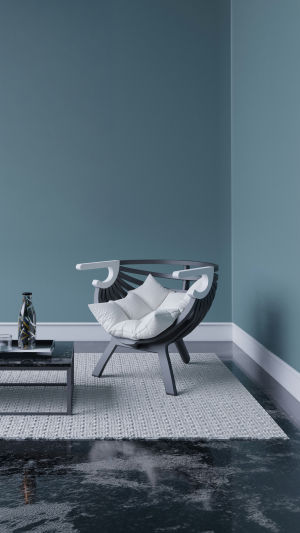
You know that feeling when a room just clicks? You can't point to one thing—it's the way a clean-lined sofa sits beside a timeworn table, how a crisp lamp warms up an old portrait.
That quiet click is what you're after when you mix modern and traditional styles. The goal isn't a museum or a trend board; it's a home that feels lived-in, edited, and unmistakably yours.
<h3>The big idea: repeat to unite</h3>
Blending eras works when something carries through the whole space—color, material, or shape. Repetition is the glue. If a vintage chest has warm walnut tones, echo that wood in a picture frame or stool. If your modern pendants are matte black, repeat that finish on a curtain rod or cabinet pulls. Do this, and the room reads as one story, not a yard sale.
<h3>Seven rules that always work</h3>
1. Pick one star per room
Choose a single anchor that sets the tone: a classic dining table, a mid-century sofa, or a heritage rug. Let everything else support it. When one piece leads, your mix looks intentional, not chaotic.
2. Keep the palette calm
Start with a neutral base—soft whites, warm taupes, gentle greys—then layer two accent hues at most. Maybe deep navy and muted olive. Keep metals consistent (all brass or all blackened steel) to avoid visual noise.
<b>Less clash</b>, <b>More harmony</b>, <b>Lasting style</b>.
3. Balance silhouettes
Pair opposites so they flatter each other. A curvy bergère next to a sharp metal side table. A sleek console below an ornate mirror. If one side of the room is heavy (solid armoire), add something airy across from it (open-leg bench) to keep the eye moving.
4. Vary textures, not just time periods
Traditional leans into wood, linen, and stone; modern favors glass, metal, and smooth lacquer. Aim for at least three textures in any vignette: for example, linen sofa (soft), walnut coffee table (grain), crystal lamp (gloss). Texture adds depth and interest.
5. Edit accessories with restraint
Heirlooms and sculptures don't all get a turn. Group in odd numbers and keep surfaces at least one-third clear. A single antique bowl on a minimalist shelf feels curated; ten bowls feel cluttered. If you wouldn't miss it tomorrow, it's not a “keep.”
6. Scale before style
A petite side chair beside a hulking sectional will look wrong no matter how pretty it is. Measure key heights (seat, arm, tabletop) so pieces relate. Rule of thumb: coffee table height ≈ sofa seat height; pendant bottom ≈ 30–34 inches above the dining table.
7. Light like a photographer
Use layers: ambient (ceiling), task (lamp or sconce), and accent (picture light). A modern fixture over a traditional table is an instant refresh; a classic library light over a streamlined bookcase adds soul. Put everything on dimmers so the room can shift from lively to intimate.
<h3>How to build a mixed room in a weekend</h3>
1. Gather, then edit
Pull three traditional items and three modern items you already own—no shopping yet. Lay them out on one surface and create two small vignettes. Remove anything that doesn't earn its place. This exercise shows you what harmonizes before you rearrange the whole room.
2. Set the anchor and sightlines
Place your star piece first. Align seating to face it, not the TV by default. Check the walk paths: you want at least 30 inches where people pass often. Good flow makes any style look better.
3. Repeat your “glue” three times
Choose your unifying element—maybe black metal or walnut—and repeat it in exactly three spots of varying size (big: table legs, medium: frame, small: handle). Three is enough to read as deliberate without feeling matchy-matchy.
4. Create one high/low moment
Pair something precious with something simple: a vintage chest topped with a clean cylinder lamp; a pared-back dining chair pulled up to a carved table. That tension is where the magic lives.
5. Photograph, then adjust
Take photos of the room from the doorway and the main seat. On a screen, clutter and scale issues jump out. Remove one accessory from each surface and lower or raise art so its center hits roughly eye level.
<h3>Common mistakes to avoid</h3>
1. Buying “filler” decor
If it doesn't solve a need (light, storage, comfort) or spark joy, it's just dust-catching. Save budget for pieces you'll touch daily.
2. Mixing too many woods
Stick to one dominant wood tone and let others be noticeably lighter or darker. Mid-tone soup makes everything look muddy.
3. Forgetting the fabric story
If your rug is ornate, keep drapes and pillows quiet. If your sofa is plain, bring pattern to the rug or cushions. Let one textile sing at a time.
When modern and traditional meet with care, the room stops shouting and starts humming. You’ll notice it the next morning, coffee in hand: the chair is comfortable, the light is kind, and the old table—now paired with that crisp lamp—looks better than ever. That's the click you were chasing. It happens because you chose connection over clutter and story over strict rules.


