

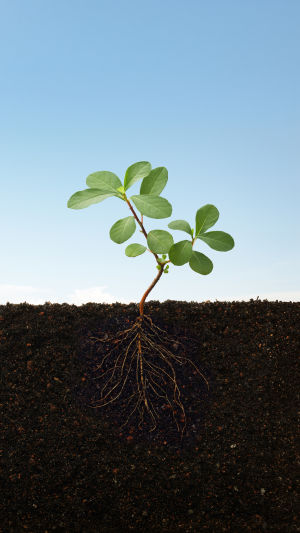
When we think about nature, we often look up — at trees, skies, and sunlight. But some of the most important life on Earth happens beneath us, in the soil.
Healthy soil is the foundation of clean water, strong plants, and stable ecosystems. Yet erosion, pollution, and neglect have left much of the world's soil struggling. The good news?
You can help restore it, whether you care for a garden, a farm, or simply a patch of green outside your home. This guide explores how to build soil health and control erosion — the quiet work that keeps our planet growing strong.
<h3>Understanding and Strengthening Soil Health</h3>
Soil isn't just dirt — it's a living, breathing community of minerals, microbes, and roots that sustains life above and below ground. When you treat soil like an ecosystem instead of a surface, it rewards you with better growth, richer nutrients, and stronger resilience.
<b>Recognize What Healthy Soil Looks Like</b>
Healthy soil feels crumbly and rich, not dusty or compacted. It should have a pleasant, earthy smell and plenty of visible life — worms, insects, and tiny root hairs. This living network keeps the soil porous, allowing air and water to move freely. When soil becomes too hard or bare, rainwater runs off instead of soaking in, leading to erosion and poor plant growth.
<b>Feed the Soil, Not Just the Plants</b>
Plants need nutrients, but soil life needs food too. Instead of relying on synthetic fertilizers, try organic matter like compost, mulch, or decomposed leaves. These materials nourish the microbes that keep soil alive. Think of it as feeding an underground community — the more diverse the "diet," the more stable and fertile the soil becomes.
<b>Encourage Root Systems</b>
Roots do more than hold plants upright; they anchor soil, store carbon, and feed beneficial organisms. Deep-rooted plants like grasses and legumes help bind soil together while improving its texture. Try mixing different plants in one area — some with shallow roots, others with deep — to build layers of strength and diversity below the surface.
<b>Avoid Overturning the Soil</b>
Frequent digging or tilling can destroy the delicate structure that soil organisms create. It exposes them to sunlight and air, causing loss of moisture and organic matter. Instead, practice minimal disturbance — use no-till gardening or raised beds to protect the soil's natural layering. When you let soil rest, it becomes more resilient against both drought and erosion.
<h3>Smart Ways to Prevent Erosion</h3>
Erosion happens when wind or water carries soil away faster than it can rebuild. It's a silent problem that strips nutrients and weakens landscapes — but with a few smart habits, you can keep soil where it belongs: in the ground, nurturing life.
<b>Keep the Ground Covered</b>
Bare soil is erosion's favorite target. Cover crops, mulch, or even a layer of fallen leaves can protect it from the impact of raindrops and the drying power of wind. For home gardens, plant fast-growing ground covers like clover or creeping thyme between main crops. In larger areas, rotate cover crops seasonally to replenish nutrients and keep roots in the soil year-round.
<b>Use Plants as Natural Shields</b>
Vegetation acts as a natural shield for the Earth. Trees, shrubs, and grasses slow down water runoff and hold the soil together with their roots. When planting on slopes, use terraced beds or contour planting — following the natural shape of the land. This slows down water and gives it time to soak in instead of washing topsoil away.
<b>Build Barriers Wisely</b>
Sometimes, physical barriers help where vegetation can't act fast enough. Simple structures like stone edges, straw wattles, or small garden fences can redirect water flow and trap sediment. Even in small yards, adding a border of mulch or gravel around garden beds can prevent soil loss during heavy rain.
<b>Redirect Water with Care</b>
Pay attention to how water moves through your space. Create gentle slopes or shallow channels that guide rainwater toward plants rather than off your property. If you collect rain in barrels or tanks, release it slowly to prevent flooding and give soil time to absorb the moisture it needs. Water, when managed well, becomes an ally instead of a threat.
Healthy soil is the quiet hero of the planet — nurturing plants, storing carbon, and supporting entire ecosystems. By feeding the soil, keeping it covered, and respecting its natural structure, you protect both your local environment and the larger one we all share. Erosion control isn't just about saving dirt; it's about preserving the living foundation beneath everything that grows. With every handful of compost, every patch of cover crop, and every thoughtful drop of rainwater, you help the Earth hold itself together — one root at a time.


