

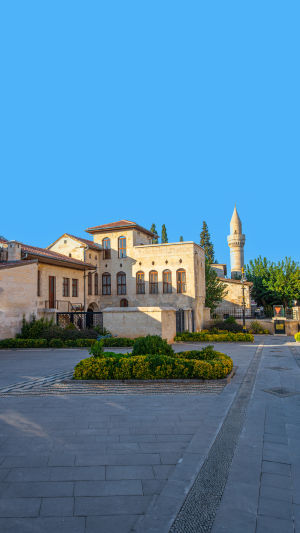
In Gaziantep, pistachios are more than a crop—they are a symbol of life. By late summer, bakers leave their ovens to roam the orchards that stretch across Turkey's sun-soaked south-eastern plains.
Known as “green gold,” these nuts define the city's culinary identity, forming the heart of iconic sweets like baklava and katmer.
Early-season pistachios, hand-picked while still tender and emerald-green, are prized for their flavor. Bakers visit orchards, tasting nuts before buying entire harvests to craft pastries that locals consider essential at every celebration—from newborns' arrivals to communal feasts.
Gaziantep
<h3>Bakery Traditions That Endure</h3>
Before sunrise, the city's bakers fire oak ovens to create the perfect heat for katmer—thin layers of dough folded around pistachio and clotted cream. At Katmerci Zekeriya Usta, a family-run bakery over a century old, locals gather around wooden tables, sharing fresh pastries with chilled milk.
In Gaziantep tradition, katmer is often served to newlyweds for their first breakfast together, symbolizing a sweet beginning to married life. According to third-generation katmer master Mehmet Özsimitçi, respect for high-quality ingredients is key to the city’s culinary excellence.
<h3>Exploring the Pistachio Heritage</h3>
Visitors can follow the city's unofficial pistachio trail. Markets overflow with fresh and roasted nuts, Turkish delight dusted with pistachio, and sweet rolls of pistachio paste. For enthusiasts, the Pistachio Museum, free to visit, showcases the crop's history, with artifacts dating back thousands of years.
<b>Practical Info for Travelers:</b>
• Location: Gaziantep city center
• Transportation: Direct flights to Gaziantep Airport; taxis and buses $2–$5 per ride; city tram $0.50
• Bakery Visits: Katmerci Zekeriya Usta, Güllüoğlu, İmam Çağdaş; open 07:00–20:00
• Admission: Pistachio Museum free; guided tastings $10–$20
• Accommodation: Boutique hotels $80–$150 per night; modern hotels $120–$200 per night
<h3>The Royal Baklava</h3>
Baklava reigns supreme in Gaziantep. At Güllüoğlu, founded in the 19th century, visitors marvel at trays of pistachio-filled squares, şöbiyet rolls, and slim havuç dilimi wedges. The recipe, adapted from Damascus and Aleppo confections, swaps walnuts for the region's abundant pistachios, creating flavors unique to this city.
At İmam Çağdaş, bakers roll dough so thin it becomes translucent before layering it with syrupy pistachios. Mastery requires years; some bakers begin at eight or nine, learning for decades to perfect the craft. Burhan Çağdaş, fourth-generation owner, insists on eating baklava upside-down so syrup coats the top for optimal flavor—a subtle ritual of technique and respect.
<h3>Pistachios as Culture</h3>
In Gaziantep, pistachio desserts are entwined with life. Families serve baklava at holidays, weddings, and festive occasions. Walking through the city, travelers witness neon “fıstık” signs lighting bakery streets, taste pistachio treats from local markets, and even visit hilltop orchards where centuries-old trees still bear fruit.
<b>Tips for Travelers:</b>
1. Start your day early to catch fresh katmer at historic bakeries.
2. Explore Elmacı Bazaar for baklava tasting and pistachio souvenirs.
3. Attend the annual GastroAntep Festival in September for workshops and tasting events.
4. Visit a local pistachio orchard for an authentic farm-to-table experience.
<h3>Reflections on Sweet Heritage</h3>
Gaziantep shows that food is more than sustenance—it is heritage. Watching bakers craft pastries with patience, respecting ingredients, and preserving centuries-old techniques reveals a city where pistachios shape identity, community, and memory. In every bite of baklava or katmer, travelers taste not just sweetness but the essence of life itself: history, care, and culture rolled into delicate layers.


