

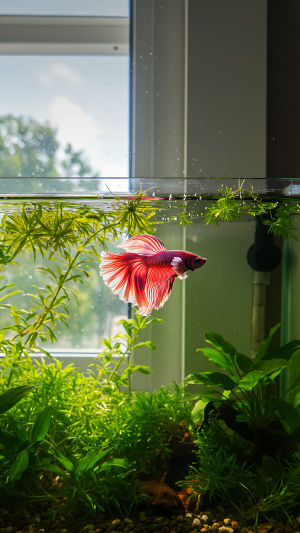
Watching fish glide through clear water can be mesmerizing.
But not all aquariums are created equal, and picking the wrong one can turn this peaceful hobby into a constant struggle. The right tank balances your fish's needs, your space, and your lifestyle.
<h3>Deciding on the Right Tank</h3>
Tank size matters more than most beginners realize. Small tanks may look cute, but they are harder to maintain, whereas medium and large tanks provide more stable water conditions. When planning your aquarium, consider the space available and make sure you can access all sides for cleaning and maintenance.
The material of your tank also plays a key role. Glass tanks are scratch-resistant, clear, and durable, making them easy to clean. Acrylic tanks are lighter, impact-resistant, and allow for creative shapes, which can be a safer option if pets or children are around.
Action step: If possible, touch and lift sample panels to see which material feels manageable.
<h3>Choosing Fish Wisely</h3>
Not every fish thrives in every tank. Tropical fish often require heaters and stable temperatures, while cold-water species like goldfish need more space as they grow. Some fish are territorial and may require dividers or larger swimming areas.
Action step: Make a list of the fish you want before buying and research their full-grown size, social behavior, and temperature preferences.
<h3>Maintaining Water Quality</h3>
Clean water is critical for healthy fish. Filtration keeps ammonia and waste levels safe, while circulation prevents stagnant zones. Small to medium tanks often do well with hang-on-back filters, whereas larger or heavily stocked tanks benefit from canister filters. Air pumps or water pumps can help maintain proper oxygen levels.
Action step: Research filter output versus tank size; a good guideline is that the filter should circulate all the water several times per hour.
<h3>Creating a Comfortable Habitat</h3>
Lighting isn’t just for aesthetics—it influences both fish and plants. LED lights are energy-efficient and highlight natural colors beautifully. Tropical species may also require heating, and maintaining a consistent temperature reduces stress and disease.
Decor and substrate create hiding spots and reduce stress for your fish. Live plants can improve water quality, smooth rocks prevent injury, and the substrate should suit your fish type, whether sand or gravel.
Action step: Arrange decorations before adding fish, as rearranging later can stress or harm them.
<h3>Ensuring Easy Maintenance</h3>
Even the perfect tank is useless if you can’t maintain it properly. Easy-to-remove lids and doors simplify feeding and cleaning, while accessible siphons and nets make water changes less stressful. Ensure there is enough room behind or beside the tank for equipment.
Action step: Simulate a maintenance day before stocking fish to make sure you can reach all areas comfortably.
A great aquarium balances aesthetics, practicality, and the needs of your fish. When each detail is carefully chosen, you’ll enjoy a vibrant, low-stress environment for both you and your aquatic pets. Over time, your aquarium becomes more than a tank—it’s a living display that reflects care, planning, and attention to detail.


