

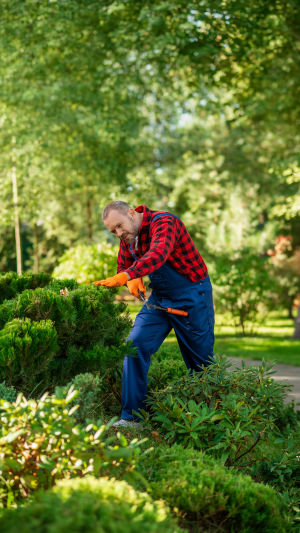
Gardening no longer means endless mowing, weeding, and watering.
In 2026, outdoor spaces are lush, intentional, and almost self-sufficient. Homeowners are embracing smarter, more sustainable garden designs that work with nature rather than against it.
From pollinator-friendly plantings to edible landscaping, low-maintenance gardens are as beautiful as they are practical.
<h3>Rewilding the Lawn</h3>
<b>1. Replace Traditional Grass</b>
Homeowners are opting for meadows, creeping thyme, native sedums, and stone pathways instead of conventional lawns. These plants handle light foot traffic, suppress weeds naturally, and rarely need trimming.
<b>2. Layered Planting</b>
Permaculture designers emphasize combining plants based on environmental needs. A layered approach with perennials, natives, and shade-tolerant species creates a thriving, low-effort garden.
<b>3. Work With Your Site</b>
Instead of fighting soil, shade, or slope, select plants suited to your environment. Wildflowers, clovers, and moss can replace traditional lawns, offering a more eco-friendly, beautiful alternative.
<h3>Pollinator-Friendly Planting</h3>
<b>1. Attract Beneficial Insects</b>
Lavender, echinacea, and native wildflowers invite bees, butterflies, and other pollinators, which naturally support plant health.
<b>2. Reduced Maintenance</b>
Pollinator gardens largely maintain themselves, needing minimal watering and pruning while boosting the overall vitality of the garden.
<b>3. Weekend-Ready Gardens</b>
These plantings provide beauty and functionality, allowing gardeners to enjoy their outdoor spaces rather than spending hours tending them.
<h3>Foodscaping</h3>
<b>1. Integrate Edibles</b>
Instead of a separate vegetable patch, edible plants are woven into flower beds and borders, creating multifunctional gardens.
<b>2. Layered, Cottage-Style Design</b>
Fruiting plants like citrus, figs, and berry shrubs are mixed with flowers for a natural, wild-yet-intentional look.
<b>3. Edimental Planting</b>
Edible and ornamental plants combined reduce upkeep while keeping gardens attractive. For small spaces, indoor grow systems allow year-round harvesting.
<h3>Perennials and Fruit Trees</h3>
<b>1. Self-Sustaining Plants</b>
Perennials return year after year, requiring minimal replanting and care.
<b>2. Multi-Purpose Trees</b>
Fruit trees offer flowers, fruits, and visual structure, largely caring for themselves once established.
<b>3. Low-Maintenance Abundance</b>
Compared to annual vegetables, perennials and trees provide beauty and food with far less effort.
<h3>Tech in the Garden</h3>
<b>1. Smart Watering</b>
Sensors measure soil moisture and weather conditions to water only when necessary, saving resources and preventing overwatering.
<b>2. Robotic Helpers</b>
Automated mowers maintain grass without constant labor, mirroring indoor smart-home conveniences.
<b>3. Silent Assistance</b>
Technology acts as a “behind-the-scenes” helper, keeping gardens thriving while owners enjoy their time outdoors.
<h3>Propagation</h3>
<b>1. Multiply Plants Easily</b>
Cuttings, divisions, and seeds from existing plants allow gardeners to expand their garden at minimal cost.
<b>2. Community Sharing</b>
Plant swaps and gifting propagated plants add social connection to gardening, turning propagation into a joyful activity.
<b>3. Effortless Expansion</b>
Gardeners can grow more without extra work, creating abundant, low-maintenance landscapes.
Low-maintenance gardening in 2026 is about working smarter, not harder. By choosing plants suited to your environment, layering for impact, supporting pollinators, and using technology, gardens can thrive with minimal intervention. The result is a space that's sustainable, beautiful, and enjoyable—perfect for relaxing weekends rather than constant chores.


