

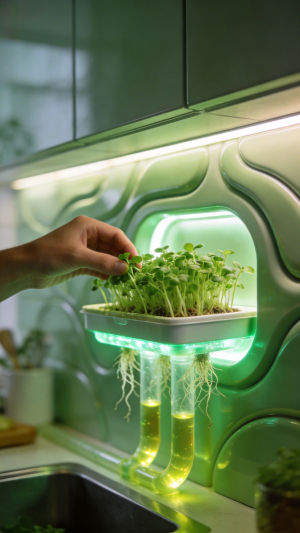
Watching tiny seedlings thrive in a glass of water can feel almost magical. Imagine harvesting crisp lettuce or fragrant herbs from your kitchen counter without ever touching soil.
Hydroponics brings this possibility to life, letting anyone—from curious kids to busy adults—experience plant growth in a controlled, exciting, and educational way.
Beyond novelty, it offers fresh, nutrient-rich food year-round, even in small apartments or urban settings.
<h3>Understanding Hydroponics</h3>
Hydroponics is a method of growing plants using water, nutrients, and light instead of traditional soil. In this system, roots are suspended in a nutrient-rich solution that delivers everything the plant needs to grow. Without soil, there is less risk of pests and soil-borne diseases, and water use is more efficient. This approach allows plants to grow faster, making it ideal for people seeking both convenience and productivity in home gardening.
<h3>Setting Up Your Home System</h3>
1. Choose a Container – Small trays, jars, or dedicated hydroponic kits can work, depending on the space available.
2. Provide Nutrients – Special hydroponic solutions supply essential minerals such as nitrogen, phosphorus, and potassium.
3. Ensure Adequate Light – Natural sunlight near a window or energy-efficient LED grow lights supports photosynthesis.
4. Maintain Oxygen – Keeping water aerated with a small pump helps roots breathe and prevents stagnation.
5. Monitor pH and Water Levels – A slightly acidic pH between 5.5 and 6.5 is optimal for most plants.
A simple jar with nutrient solution and a small LED light can be a perfect starting point for beginners, while more complex setups allow for multiple crops and automated care.
<h3>Best Plants for Home Hydroponics</h3>
Not all plants adapt equally to soil-free growing. Leafy greens like lettuce, spinach, and kale are easy starters. Herbs such as basil, mint, and parsley thrive in hydroponic conditions and reward consistent care with flavorful leaves. Strawberries and small peppers can also grow successfully with careful attention to light and nutrient balance. Choosing plants suited to your system's size and complexity ensures a satisfying first harvest.
<h3>Maintaining Healthy Growth</h3>
Regular monitoring is crucial for success. Check water levels and refill nutrient solutions weekly. Remove dead or yellowing leaves to prevent decay from affecting healthy roots. Adjust lighting as plants grow taller, ensuring all leaves receive enough light. Temperature control matters as well; most hydroponic plants prefer a range of 65–75°F (18–24°C). These small but consistent efforts keep your plants thriving and maximize both growth speed and flavor.
According to Dr. Howard Resh, maintaining steady oversight of nutrients, lighting, and temperature is key in hydroponics, as these controlled conditions help plants develop more quickly, stay healthy, and produce higher-quality results.
<h3>Learning and Enjoying the Process</h3>
Hydroponics at home is not just about food; it's also a hands-on science lesson. Observing how roots respond to water and nutrients, experimenting with light schedules, or comparing plant growth in different nutrient concentrations makes the process engaging and educational. It offers a unique opportunity to connect with nature indoors and appreciate the science behind every leafy sprout.
Growing plants without soil transforms a simple kitchen or balcony into a dynamic mini-garden. Hydroponics combines practicality with curiosity, producing fresh, flavorful crops while offering insight into how plants live and thrive. Over time, even small systems can provide steady supplies of greens and herbs, making the experience both rewarding and nourishing. Starting small, experimenting carefully, and enjoying the visible growth can make hydroponic gardening a lifelong hobby that blends science, nutrition, and creativity.


