

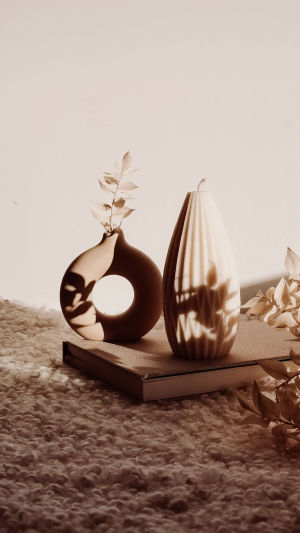
Walking into a room often gives a first impression that lingers longer than we realize.
A carefully chosen ornament can instantly make a space feel welcoming, sophisticated, or playful. But how exactly can indoor decorations elevate a room without overwhelming it?
The answer lies in balance, placement, and personal style.
<h3>Choosing the Right Pieces</h3>
Selecting ornaments for a room is about more than picking what looks pretty. Consider the size, color, and material of each item. A ceramic vase with subtle textures can complement a sleek wooden table, while a glass figurine can reflect light and add depth.
- Focus on harmony – matching colors or themes with existing furniture helps create a cohesive look.
- Mix textures – blending metal, wood, and glass can prevent a space from feeling flat.
- Mind the scale – small trinkets can brighten shelves, but oversized pieces demand space and attention.
<h3>Strategic Placement</h3>
Where an ornament sits is just as important as what it is. Placement guides the eye and defines focal points.
- Eye-level display – pieces placed on eye-level shelves or mantels naturally attract attention.
- Grouping – arranging 3 to 5 items together creates a mini-scene that feels intentional.
- Negative space – leaving breathing room around objects prevents visual clutter and highlights their beauty.
<h3>Function Meets Aesthetics</h3>
Ornaments can be decorative and practical at the same time. Consider items that serve dual purposes:
- Decorative bowls that hold keys or trinkets keep surfaces tidy while adding charm.
- Stylish candle holders introduce ambient light, creating warmth and intimacy.
- Artistic trays or boxes can organize small items while acting as conversation starters.
<h3>Seasonal and Personal Touches</h3>
Switching out decor with the seasons or celebrating personal interests makes a room feel dynamic and lived-in.
- Seasonal accents – fresh flowers in spring or sculptural pumpkins in fall keep the space fresh.
- Memorabilia – framed postcards, small sculptures, or souvenirs tell a story unique to the homeowner.
- Rotating displays – swapping one or two items periodically keeps a familiar room exciting.
<h3>Lighting to Highlight Ornaments</h3>
Lighting dramatically affects how decorations are perceived. Placing a spotlight on a sculpture or using soft lamps can elevate the aesthetic impact.
- Accent lighting – LED strips or directional lamps focus attention on key pieces.
- Natural light – placing reflective or transparent ornaments near windows enhances their effect.
- Layered lighting – combining ambient, task, and accent lighting balances mood and functionality.
<h3>Maintaining Balance and Consistency</h3>
Too many decorations can create chaos, while too few may leave a room feeling sterile. The key is moderation and thoughtful repetition. Using a consistent color palette or recurring motifs ties the space together and creates harmony without monotony.
Decorating with indoor ornaments is a subtle form of storytelling. Each vase, sculpture, or framed piece reflects taste, memories, and personality. Thoughtful placement, attention to scale, and attention to texture can transform a room from ordinary to inviting. By viewing decor as both functional and expressive, homeowners can create spaces that not only look beautiful but also feel alive and meaningful.
Walking into a room with carefully curated decorations feels like stepping into a living gallery, where each item whispers its story. By considering harmony, placement, function, and personal narrative, ornaments become more than mere objects—they become a bridge between everyday life and the art of living beautifully.


