

On a quiet morning, you might notice a rooster crowing just before sunrise or bees buzzing out of their hive as the sun warms the garden.
It seems like they have an internal schedule, acting at the perfect moment without any human guidance.
Animals, in fact, have evolved remarkable ways to keep track of time. From daily routines to seasonal migrations, their internal clocks guide almost every aspect of life, ensuring survival and efficiency.
<h3>Circadian Rhythms: The 24-Hour Clock</h3>
Many animals follow a daily rhythm, known as a circadian rhythm, which aligns their activity with day and night cycles.
<b>1. Birds and Mammals</b>
Songbirds begin their morning chorus before sunrise, anticipating daylight. Nocturnal mammals like hedgehogs or owls emerge at twilight, when their prey is most active. These patterns are regulated by internal biological clocks that respond to light cues.
<b>2. Actionable Example</b>
If you're raising backyard birds or small mammals, observing their natural activity peaks can help you provide food and shelter at optimal times, reducing stress and encouraging natural behavior.
<h3>Seasonal Timing: Migration and Reproduction</h3>
Animals don't just track hours—they sense months and seasons, often with astonishing precision.
<b>1. Monarch Butterflies and Salmon</b>
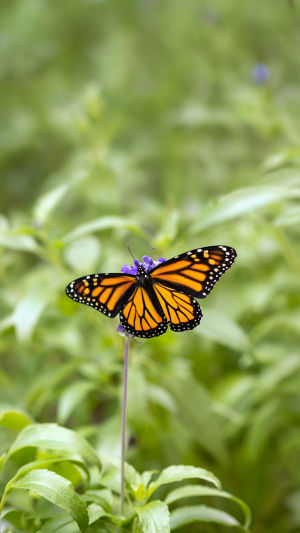
Monarchs travel thousands of kilometers to reach wintering grounds, using environmental cues like temperature and daylight length. Salmon return to their birthplace to spawn, relying on seasonal water changes and chemical cues in rivers to guide their journey.
<b>2. Actionable Example</b>
For anyone maintaining a garden or natural habitat, planting flowers or maintaining water sources in sync with local animal migration seasons can support wildlife at critical moments, providing food or shelter exactly when it's needed.
<h3>Internal Memory Clocks</h3>
Some animals can track time even without external cues, relying on internal biological mechanisms that help them anticipate regular events.
<b>1. Bees and Pigeons</b>
Honeybees can learn the timing of nectar availability and consistently visit flowers at the same time each day, even when external conditions change. Pigeons can also return to their home loft after long flights, using a combination of environmental signals and internal timing systems to support accurate navigation and routine behavior.
<b>2. Actionable Example</b>
Observe animals such as birds, rodents, or insects over the course of the day. Their predictable, time-linked behaviors can help you better align feeding or care routines with their natural rhythms, promoting calmer and more stable behavior.
<h3>Lunar and Tidal Cycles</h3>
For animals living near the coast or in oceans, timekeeping often involves the moon and tides.
<b>1. Shore Crustaceans and Sea Turtles</b>
Shore-dwelling crustaceans time their foraging to low tide, avoiding predators and maximizing feeding efficiency. Sea turtles often lay eggs in sync with the full moon or specific tidal conditions, ensuring that hatchlings emerge under favorable conditions.
<b>2. Actionable Example</b>
Beach conservation programs can schedule monitoring and protection efforts in alignment with tidal and lunar cycles, supporting nesting turtles or shorebird populations during critical periods.
<h3>Social and Collective Timing</h3>
Some species synchronize their behavior with others, using social cues as a form of timekeeping.
<b>1. Bees and Ants</b>
Honeybees communicate the timing of flower availability through their waggle dance, coordinating foraging efforts among the hive. Ants organize colony tasks like food collection and nest maintenance according to group schedules, ensuring the colony operates efficiently.
<b>2. Actionable Example</b>
If observing insect colonies or cooperative animals, note how group behavior follows predictable patterns. Mimicking or supporting these rhythms can help researchers or hobbyists interact without causing disruption.
Timekeeping in animals is more than instinct—it's a finely tuned survival tool. From daily routines to seasonal migrations, from lunar cycles to social coordination, animals are constantly measuring moments and predicting changes. Paying attention to these natural clocks not only deepens our understanding of wildlife but also encourages us to notice the rhythm of life all around us. The next time a bird greets the sunrise or a crab scuttles with the tide, take a moment to appreciate the invisible clockwork guiding them.


