

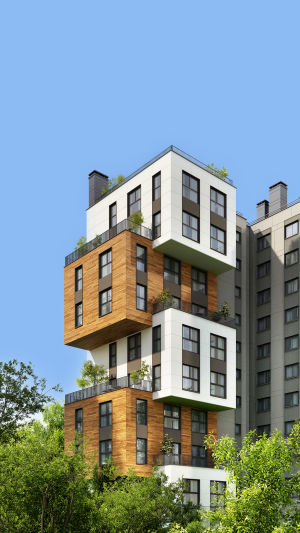
Modern residential architecture has transformed the way we live in our homes.
Gone are the days of traditional, rigid layouts and ornate features. Today's designs prioritize open spaces, functionality, and a connection to the surrounding environment.
Whether you're building a new home or redesigning an existing space, understanding the key principles behind modern architecture can help you create a space that's both stylish and functional.
In this article, we'll explore the essential elements that make up modern residential design, from clean lines to sustainable materials, and how you can incorporate these into your own home.
<h3>Clean Lines and Simple Forms</h3>
One of the defining characteristics of modern architecture is its emphasis on simplicity. Unlike traditional homes that may feature elaborate details, modern residences prioritize clean lines and uncluttered spaces. The focus is on minimalism—rooms that flow seamlessly from one to the next without unnecessary decorations.
<b>Key Features:</b>
• Open floor plans: Modern homes tend to have fewer walls, creating large, open spaces that allow for easy movement and a feeling of freedom.
• Geometric shapes: Square, rectangular, and angular forms dominate the structure of the home, often with a deliberate lack of ornamentation.
• Neutral color palettes: White, gray, black, and muted earth tones are commonly used, creating a serene environment that complements the architecture's clean lines.
These simple forms not only give a modern home its distinctive look but also make it easier to decorate, as the focus remains on the space itself rather than on individual decorative items.
<h3>Integration with Nature</h3>
Modern residential architecture places a strong emphasis on the relationship between the indoors and outdoors. Large windows, sliding glass doors, and open terraces are designed to blur the lines between the interior of the house and the natural world outside. This approach fosters a sense of connection with nature, promoting relaxation and well-being.
<b>Key Features:</b>
• Floor-to-ceiling windows: These provide panoramic views of the outdoors and allow natural light to flood the space, enhancing the feeling of openness.
• Indoor plants: Incorporating greenery into the home adds both aesthetic value and a sense of tranquility.
• Outdoor living spaces: Patios, decks, and balconies are designed as extensions of the indoor living areas, ideal for entertaining or simply relaxing.
This integration with nature makes modern homes feel bright, airy, and connected to the environment, often enhancing the overall quality of life for the inhabitants.
<h3>Sustainable Materials and Energy Efficiency</h3>
Sustainability is a central focus in modern architecture. From energy-efficient design to the use of eco-friendly materials, modern homes are built with the environment in mind. This not only reduces the carbon footprint but also saves homeowners money in the long run.
<b>Key Features:</b>
• Sustainable building materials: Modern homes often incorporate materials such as recycled wood, bamboo, and eco-friendly concrete. These materials are both durable and environmentally responsible.
• Solar panels and green roofs: Solar energy is increasingly used to power modern homes, and green roofs contribute to better insulation and water management.
• Smart home technology: Integrated systems, such as programmable thermostats, energy-efficient appliances, and automated lighting, help reduce energy consumption.
By incorporating these sustainable elements, modern architecture ensures that homes are not only beautiful but also future-proof and energy-efficient.
<h3>Maximizing Space and Functionality</h3>
In modern design, functionality is just as important as aesthetics. Efficient use of space ensures that every room serves a clear purpose, minimizing clutter and promoting organization. Custom-built furniture and innovative storage solutions are commonly used to make the most of limited space.
<b>Key Features:</b>
• Multifunctional spaces: Rooms in modern homes are often designed to serve multiple functions, such as a home office that doubles as a guest bedroom.
• Built-in storage: Custom cabinets and hidden storage solutions help keep the home organized and free of unnecessary items.
• Minimal furnishings: Modern homes tend to have fewer, but more functional, pieces of furniture. The pieces that are included often serve a dual purpose, such as a dining table that also functions as a workspace.
With an emphasis on space efficiency and practicality, modern residential design caters to the needs of contemporary living while maintaining a stylish, minimalist aesthetic.
<h3>Technology and Innovation</h3>
Modern architecture is often defined by its use of cutting-edge technology. Smart home features, high-tech building materials, and advanced construction techniques all play a role in the modern home. These innovations not only improve the quality of life but also make the home more comfortable and convenient.
<b>Key Features:</b>
• Smart home integration: From lighting systems to security cameras, modern homes often feature integrated technology that can be controlled via smartphones or voice commands.
• Advanced building techniques: New construction methods, such as prefabricated panels and modular design, allow for faster building times and greater precision.
• Energy-efficient appliances: Modern kitchens and bathrooms feature the latest in energy-efficient technology, such as induction stoves, low-flow faucets, and energy-efficient dishwashers.
With technology enhancing both the functionality and comfort of modern homes, it's clear that innovation is key to designing spaces that meet the needs of today's lifestyle.
<h3>Designing a Modern Home for the Future</h3>
Modern residential architecture is all about creating spaces that are functional, beautiful, and in harmony with the natural world. By focusing on clean lines, sustainable materials, and innovative technologies, modern homes reflect the evolving needs and desires of homeowners.
If you're designing a modern home, remember that it's not just about aesthetics—it's about creating a space that serves both your practical needs and your sense of style. With the right approach, a modern home can be a sanctuary that enhances your quality of life for years to come.


