

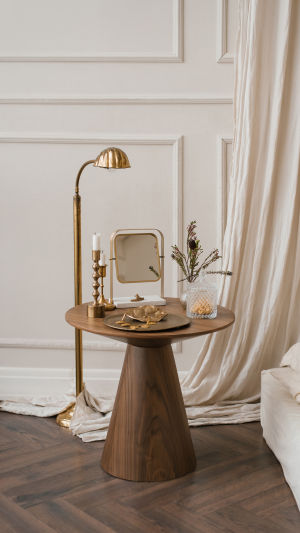
When it comes to creating a cozy, functional bedroom, the nightstand often becomes an afterthought.
Yet, this small piece of furniture is essential for both practical use and enhancing the overall aesthetic of your room.
Whether you're upgrading your current nightstand or shopping for a new one, understanding the key factors that make a good choice can make all the difference.
<h3>1. Size Matters: Finding the Right Proportions</h3>
The size of your nightstand should complement both your bed and the space around it. A nightstand that's too large can overwhelm the room, while one that's too small can look out of place.
<b>Height: Aligning with Your Bed</b>
The ideal height of your nightstand should align with the top of your mattress. A nightstand that's too tall or too short can create awkwardness, making it uncomfortable to reach for your essentials. The standard height is around 24 inches, but this can vary based on your bed's height. If your bed is taller or lower than average, you may want to adjust the height of the nightstand accordingly.
<b>Depth and Width: Room for Functionality</b>
While height is essential, the width and depth of the nightstand are equally important. A larger nightstand provides more storage space, but be careful not to choose one that overwhelms the available floor space. On the other hand, a smaller nightstand works well in compact rooms, but it may not offer enough storage. Consider your storage needs: Do you need drawers, open shelves, or just a flat surface for a lamp?
<h3>2. Style: Complementing Your Bedroom Theme</h3>
The nightstand is a key piece in the overall design of your bedroom, so it's crucial to choose one that matches the style of the room.
<b>Modern vs. Traditional</b>
If your bedroom features sleek, modern furniture, a minimalist nightstand with clean lines and a simple finish will enhance the aesthetic. On the other hand, if you have a more traditional or vintage-inspired room, you might opt for a wooden nightstand with intricate detailing or even one with a vintage patina. The nightstand should reflect the vibe of the space, creating a cohesive look.
<b>Material Choices</b>
The material of your nightstand plays a significant role in the overall design. Wooden nightstands bring warmth and texture to the room, while metal or glass nightstands can offer a more contemporary feel. Consider how the material of the nightstand interacts with the other pieces in the room, such as your bed frame, flooring, and any other furniture you have.
<h3>3. Functionality: The Right Storage for Your Needs</h3>
Beyond aesthetics, a nightstand must be practical. After all, it's not just a decorative piece—it's a place where you store your bedtime essentials.
<b>Storage Space: Drawers, Shelves, or Both?</b>
Consider how much storage space you need. If you prefer a clutter-free surface, look for nightstands with drawers where you can store your phone, books, or other small items out of sight. Open shelves can be great for displaying decor, while a combination of both offers the best of both worlds.
<b>Extra Features: Adding Convenience</b>
Some nightstands come with additional features that can enhance your daily routine. For example, a nightstand with built-in USB ports allows you to charge your devices conveniently. Others may have a pull-out tray for a cup of tea or a built-in lamp, offering added convenience and functionality.
<h3>4. Durability: Investing in Long-Term Quality</h3>
When purchasing a nightstand, it's important to consider durability, especially since this piece of furniture will likely see daily use. The material and construction quality play a crucial role in how long the piece will last.
<b>Material Durability</b>
Solid wood, while more expensive, tends to last longer than cheaper materials like particleboard or MDF. If you're looking for a more affordable option, be sure to check the quality of the construction to ensure that the nightstand can withstand regular wear and tear.
<b>Quality of Construction</b>
A well-built nightstand will have sturdy joints and a smooth finish. Pay attention to the craftsmanship, as this will affect not only the nightstand's durability but also its overall aesthetic appeal. A nightstand with loose joints or a poor finish can detract from the beauty of the entire room.
<h3>5. The Perfect Balance of Form and Function</h3>
Choosing the perfect nightstand is all about striking the right balance between functionality, style, and durability. It's a small piece of furniture, but it plays a big role in both the practicality and the aesthetic of your bedroom. By considering size, style, storage, and construction quality, you can select a nightstand that not only complements your space but also enhances your daily life.
So, whether you prefer a sleek modern look or a more traditional wooden style, take the time to choose a nightstand that fits your needs—and your space—perfectly. A thoughtful selection can turn your bedroom into a cozy, functional retreat where you can unwind in comfort each night.


