

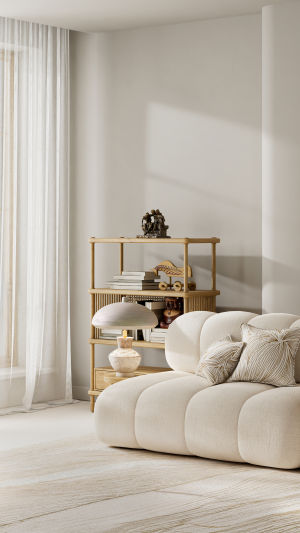
Scandinavian interior design has become synonymous with simplicity, functionality, and a sense of warmth.
This design philosophy, originating in the Nordic countries, emphasizes clean lines, neutral colors, and natural materials, making it ideal for creating a tranquil and inviting home.
Whether you're redesigning a living room or planning a full home makeover, incorporating Scandinavian elements can transform your space into a serene haven. But how exactly do you bring the Scandinavian aesthetic to life? Here's a closer look at the key components of this style and how to incorporate them into your home.
<h3>1. Embrace Minimalism: Less is More</h3>
One of the core principles of Scandinavian design is minimalism. The idea is to eliminate excess and focus on what truly matters. This doesn't mean your space has to be devoid of personality, but it should prioritize clean lines, open spaces, and functional furniture.
<b>Declutter and Simplify</b>
To achieve a Scandinavian-inspired space, start by decluttering your home. Choose functional furniture that serves a purpose while contributing to the overall aesthetic. Avoid heavy, overly ornate pieces; instead, opt for sleek, simple designs that maintain a sense of openness and airiness.
<b>Functional Design</b>
Scandinavian furniture is known for its functionality. Each piece should be versatile, whether it's a storage unit or a multi-purpose coffee table. Think practical yet stylish—a balance between beauty and utility. For example, Scandinavian chairs often have simple, elegant frames but are designed for comfort and long-term use.
<h3>2. Play with Light and Bright Colors</h3>
The long winters in Scandinavian countries mean that natural light is a precious commodity. Scandinavian interiors often make the most of every available bit of daylight by incorporating light-colored walls, ceilings, and floors. But it's not just about the colors; it's also about creating a bright and welcoming space.
<b>Neutral Palettes</b>
The typical Scandinavian color scheme relies on light, neutral shades like whites, beiges, and soft grays. These hues reflect natural light, making a room feel brighter and more spacious. In fact, light walls and furnishings are essential for creating that crisp and clean Scandinavian look.
<b>Warmth with Accents</b>
To prevent the space from feeling too cold, bring in touches of warmth with natural wood accents or textured fabrics. A wooden coffee table, natural wood flooring, or a few wooden frames on the wall can add warmth to a minimalist color palette. Additionally, soft throws, cushions, or rugs in muted tones can offer comfort without overwhelming the space.
<h3>3. Natural Materials: Bringing the Outdoors In</h3>
Another hallmark of Scandinavian design is the use of natural materials. This design style is deeply connected to nature, reflecting the beautiful, often harsh landscapes of the Nordic countries. Wood, stone, and leather are common materials used throughout Scandinavian interiors, creating a natural, earthy feel.
<b>Wood as a Central Element</b>
Wood is perhaps the most iconic material in Scandinavian design. It's used in furniture, flooring, and even as an accent on walls. Light woods like oak, birch, or pine are particularly popular, adding a soft and warm touch to any space. Wooden furniture in natural finishes helps keep the space feeling grounded and organic.
<b>Natural Fabrics</b>
In addition to wood, natural fabrics like linen, cotton, and wool are key components of Scandinavian interiors. These materials bring texture and warmth to your space, whether in the form of throw blankets, cushions, or drapes. The goal is to create a space that feels inviting and cozy, even in colder months.
<h3>4. Hygge: Creating Cozy Moments</h3>
“Hygge” (pronounced "hoo-gah") is a Danish concept that captures the essence of cozy living. It's about creating a warm, welcoming environment where you feel content and relaxed, especially during the colder months. Incorporating hygge into your Scandinavian interior is easy and can make your home feel truly comforting.
<b>Layering for Comfort</b>
Layering fabrics is an effective way to infuse hygge into your living room or bedroom. Consider adding a wool throw blanket on your sofa, placing plush cushions on chairs, and using a soft rug on the floor. The texture of these fabrics will make your space feel cozy and inviting.
<b>Lighting for Ambiance</b>
Lighting plays a major role in Scandinavian design, and hygge is no exception. Use soft, warm lighting to create a relaxed atmosphere. Consider incorporating floor lamps with fabric shades, candles in decorative holders, or fairy lights. The goal is to create a calm, ambient glow that makes you want to curl up with a book and a hot drink.
<h3>5. Incorporate Greenery: Nature's Touch</h3>
Incorporating plants into your Scandinavian home adds life and a sense of calm. Indoor plants are not only visually appealing but can also purify the air and bring a little bit of nature indoors. Plants such as ferns, succulents, and leafy greens thrive in Scandinavian-style interiors, offering an earthy contrast to minimalist furniture.
<b>Simple, Stylish Plant Pots</b>
Choose simple, unadorned plant pots to match the Scandinavian aesthetic. Neutral-colored or black pots tend to work well, as they don't distract from the natural beauty of the plants. Consider using sleek planters on wooden stands or hanging plants to add dimension to your room.
<b>Placement Matters</b>
For a truly Scandinavian touch, place plants in corners of the room or on shelving units. Try clustering different sizes of plants together to create a natural focal point or a calming corner in the room. Indoor plants also help soften the space and bring the outdoors in, further enhancing the tranquility of your home.
<h3>6. The Art of “Less is More” in Decor</h3>
Scandinavian interiors thrive on simplicity, and this extends to decor. Unlike other styles that may feature decorative knick-knacks or excessive adornments, Scandinavian homes prioritize meaningful, minimalistic pieces.
<b>Thoughtful Accessories</b>
Instead of overcrowding shelves or tables with decor, focus on a few carefully chosen items. A single piece of artwork, a vintage lamp, or a handcrafted ceramic can add personality without overwhelming the space. These items should evoke a sense of calm and simplicity.
<b>Open Shelving</b>
Open shelving is a common feature in Scandinavian homes, allowing you to showcase a curated collection of books, plants, or simple decor. The key is to keep things organized and uncluttered, reinforcing the minimalist philosophy.
<h3> A Balanced, Tranquil Home</h3>
The Scandinavian interior design style is more than just a trend—it's a way of life. With its emphasis on natural materials, functional design, and a cozy atmosphere, this style encourages us to create spaces that are both beautiful and practical. By embracing simplicity, incorporating soft textures, and adding touches of nature, you can turn any space into a peaceful sanctuary. Whether you're looking to overhaul an entire room or simply add a few Scandinavian-inspired elements, this design style offers a timeless, versatile approach to creating a home that feels both stylish and serene.
As you incorporate these principles into your own space, remember that Scandinavian design isn't just about aesthetics—it's about creating a lifestyle that feels warm, welcoming, and connected to nature.


